
Transforming Elderly Lives Through Home-Based Care
In a world where the elderly can age gracefully in their own familiar surroundings, the value of personalized assistance becomes paramount. As individuals grow older, remaining at home fosters well-being, providing an enriching environment that bolsters their independence, comfort, and overall quality of life.
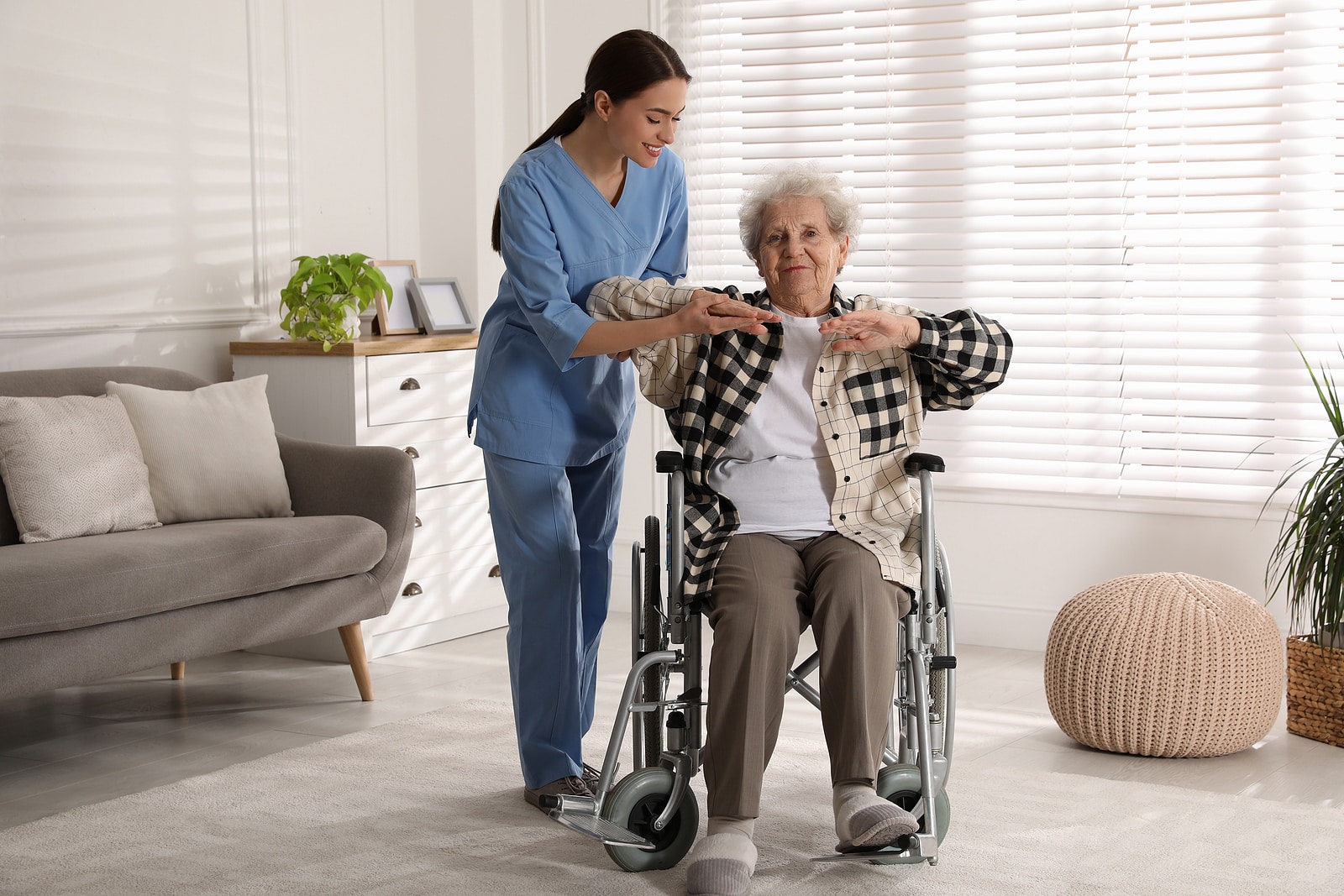
The Hidden Benefits of Aging in Place
Aging in place not only enhances quality of life but also provides emotional stability. The familiar home environment nurtures a sense of belonging and independence for seniors.
1. Maintaining Independence and Comfort
One of the key advantages of allowing seniors to remain at home is the continuation of their independence. Unlike institutionalized care, home-based services enable them to carry on with daily routines in a setting filled with personal history and affection. With the option to receive tailored care services such as personal support and skilled nursing right at home, seniors maintain their dignity while reducing the feeling of displacement.
Tailored support ranges widely from basic assistance like meal preparation and medication management to more intricate services involving skilled nursing or physical therapy. This customizable care not only prevents the need for institutionalization but also integrates seamlessly with the family's involvement, supporting a balanced caregiving approach. This blend encourages seniors to remain active participants in their daily lives, contributing to an enhanced sense of purpose.
2. Personalized and Trusted Assistance
Trust and familiarity are essential components of effective senior care. Accredited home care providers ensure that seniors receive professional assistance, minimizing family anxieties. These providers often become more than caregivers; they evolve into companions, bringing warmth and trust into everyday life. Developing strong relationships allows them to understand the subtle needs of seniors, attending to their well-being holistically.
The emotional aspects are just as critical as the physical. Combatting loneliness, a common issue among the elderly, becomes more manageable with a familiar caregiver present, providing emotional support and companionship. This approach helps in maintaining mental health, preventing conditions like depression linked with isolation, and supporting the overall health of the individual.
3. The Role of Funding and Support Systems
The symbiotic relationship between well-funded programs and aging in place is critical for success. Initiatives such as meal deliveries, transportation services, and respite care form the backbone of home-based care. They not only cater to everyday needs but also bring peace of mind to families who entrust their loved ones to these services.
Ensuring these programs' sustainability is essential. Funding from governmental and non-governmental bodies helps maintain the continuity of services such as healthcare, social activities, and personal care. This stability promotes healthier aging, reduces hospitalization rates, and empowers families to confidently support their seniors to age in place.
Creating a Safe and Nurturing Home Environment
A secure and nurturing home environment forms the foundation for elderly independence. It's not just about physical modifications; emotional and social components play a vital role too.
1. Prioritizing Safety and Accessibility
Aging gracefully at home depends heavily on making the environment safe and accessible. This includes eliminating trip hazards like loose rugs, improving lighting for vision safety, and adding assistive devices such as grab bars or ramps for those with mobility challenges. These adaptations are crucial in preventing accidents, allowing seniors to move around freely and confidently.
Adaptations also extend to altering daily utilities to fit seniors’ routines. Properly addressing these requirements minimizes accidents, therefore enhancing comfort and supporting an independent lifestyle. It's worth noting that the safety modifications often lead to a more supportive environment, where seniors can maintain physical independence longer.
2. Fostering Independence and Connection
Encouraging autonomy within their environments benefits seniors immensely. Modifying living conditions to allow easier meal preparation or implementing medication management systems not only supports self-reliance but also reduces dependency on external help. Equally important is ensuring social connection, a vital aspect often threatened in senior years.
Programs fostering community interaction, family visits, or simple technology solutions can alleviate feelings of isolation. Social inclusion bolsters emotional health, providing joy and companionship. Enabling reliable transport for activities or medical appointments enhances their connectedness to the outside world, ensuring they live fulfilling lives.
3. Embracing Wellness and Technology
Utilizing technology for wellness is increasingly redefining senior care. Programs aimed at preserving physical and cognitive wellness, combined with technological aids, contribute significantly to the quality of life. Practices encouraging mental engagement promote resilience against cognitive decline while maintaining a healthy lifestyle.
Technology complements these, offering aids like health monitoring devices or reminders supporting daily routines. Smart home systems further ease tasks by automating lighting or climate controls, allowing seniors to remain independent longer. This dual approach of wellness and technology ensures comprehensive support for both mental and physical health.
Balancing Family Involvement and Professional Support
Ensuring the best care for seniors involves harmonizing family support with professional caregiving. This synergy enhances care quality, addressing needs comprehensively.
1. Understanding the Importance of Family Involvement
A family’s role cannot be overstated in elderly care. The emotional connection provides comfort, reduces loneliness, and helps in faster recovery. Their intimate knowledge of the senior's preferences ensures that care is personalized, respecting their autonomy and routines.
Active involvement not only benefits the senior but also fortifies the family bonds, instilling confidence among caregivers about their loved one's well-being. This close interaction aids in quick identification of health changes, ensuring timely responses and adjustments in care strategies.
2. The Role of Professional Home Care Services
While family involvement is crucial, professional caregivers bring a level of expertise that ensures comprehensive care. Registered nurses and certified aides provide essential medical, personal, and respite care, preventing caregiver burnout and ensuring the senior receives continuous support.
Professional caregivers complement family efforts by offering skilled expertise, which can be instrumental in managing chronic or acute health conditions. Their presence allows families to have peace of mind, knowing their loved ones are in capable hands, and providing an opportunity for family members to engage more meaningfully with the senior.
3. Strategies for Finding the Right Balance
Successful integration of family and professional support requires clear communication and role delineation. Establishing regular meetings and open lines encourages collaboration, addressing concerns, and adapting care plans as needed. This collaboration enhances care effectiveness, ensuring the senior's needs are holistically met.
Family and professional caregivers working in tandem achieve a harmonious caregiving environment, emphasizing the senior's well-being as the focal point. This unity not only enhances the caregiving process but also promotes a dignified, respectful approach to aging at home.
Technology's Role in Empowering Senior Independence at Home
Emerging technological solutions are empowering seniors to live independently at home, bridging gaps in care with innovative approaches.
1. AI-Powered Assistance and Virtual Companions
Artificial intelligence has revolutionized senior care by providing personalized support at home. Virtual assistants and AI-powered chatbots offer constant companionship and manage everyday tasks like scheduling or health monitoring, lending a reassuring presence without being intrusive.
These tools reduce feelings of isolation, guiding seniors through everyday wellness routines or offering sympathetic interaction when human companionship is limited. Through speech recognition and adaptive systems, these technologies cater to individual needs, reinforcing independence and boosting emotional well-being.
2. Remote Health Monitoring and Personalized Care
The advent of remote health technologies allows constant health oversight, alleviating the need for frequent hospital visits. Wearable devices tracking vital statistics provide real-time data to healthcare professionals, who can then make informed decisions, offering preemptive care plans suited to the individual’s requirements.
These devices ensure safety and health, often preventing the escalation of potential issues. Data-driven insights allow for tailored interventions, minimizing risk and enhancing the quality of life through proactive monitoring. This fusion of care and technology is invaluable in maintaining seniors' autonomy while ensuring their health needs are not compromised.
Service Delivery Overview:
| Service Category | Description | Target Group | Key Benefits |
|---|---|---|---|
| Personal Care Assistance | Support with daily activities such as bathing, dressing, grooming, and mobility assistance | Seniors needing daily help | Maintains dignity and independence |
| Skilled Nursing Care | Medical care provided at home including wound care, medication management, and therapy | Elderly with medical needs | Reduces hospital readmissions |
| Companionship & Social Support | Emotional support, conversation, and companionship to reduce loneliness | Homebound seniors | Improves mental health and wellbeing |
| Homemaker Services | Assistance with housekeeping, meal preparation, and shopping | Seniors living alone | Enhances comfort and safety at home |
| Respite Care | Temporary relief for primary caregivers by providing short-term care | Family caregivers | Prevents caregiver burnout |
| Health Monitoring and Telecare | Remote health monitoring using technology to track vital signs and alert for emergencies | Seniors with chronic conditions | Supports aging in place safely |
| Dementia and Alzheimer’s Care | Specialized care tailored for cognitive impairment and memory loss | Elderly with dementia | Enhances safety and quality of life |
| Palliative and End-of-Life Care | Comfort-focused care for seniors with serious illnesses | Terminally ill elderly | Ensures dignity and symptom management |
These services demonstrate the range and adaptability of home care, ensuring a fit for every individual need.
3. Medical Alert Systems and Emergency Response
Medical alert technology provides a robust safety net for seniors, offering instant help at the push of a button. These systems, with advancements like GPS and auto fall detection, ensure timely responses to emergencies, crucial for maintaining senior autonomy and reassuring families.
Such reliable systems encourage seniors to pursue active lifestyles, confident that support is readily available. In emergencies, this technology significantly reduces response times, potentially saving lives and preserving quality of life.
Question and Answer
-
What are the primary benefits of home care services for seniors?
Home care services for seniors offer numerous benefits, including maintaining independence, comfort, and dignity. Seniors can receive personalized care in the comfort of their own homes, which allows them to stay in familiar surroundings and maintain their daily routines. This type of care also reduces the need for institutionalization, promotes emotional well-being through companionship, and ensures that seniors receive tailored assistance that meets their evolving needs.
-
How do funding and support systems impact home care for the elderly?
Funding and support systems play a crucial role in enabling seniors to age in place. Programs that provide financial assistance for in-home care, meal delivery, transportation, and caregiver respite help seniors live independently and safely. The stability of such programs, often supported by government initiatives like the Older Americans Act and Medicaid, is essential for sustaining high-quality home care services and easing the burden on family caregivers.
-
What misconceptions exist about home care for seniors, and how can they be addressed?
Common misconceptions about home care include the belief that it is only for the severely ill, that it is unaffordable, and that it leads to a loss of independence. In reality, home care is a versatile option available at various levels of need, often more cost-effective than institutional care, and designed to support seniors' autonomy. Addressing these myths involves educating families about the customizable nature of home care services, available financial assistance programs, and the holistic approach to care that encompasses emotional and social well-being.