
Reimagining Oral Care: The Role of Implants in Comprehensive Dental Health
Modern oral rehabilitation has transformed with innovative solutions designed to restore both form and function, addressing complex reconstructive needs with renewed confidence and health.
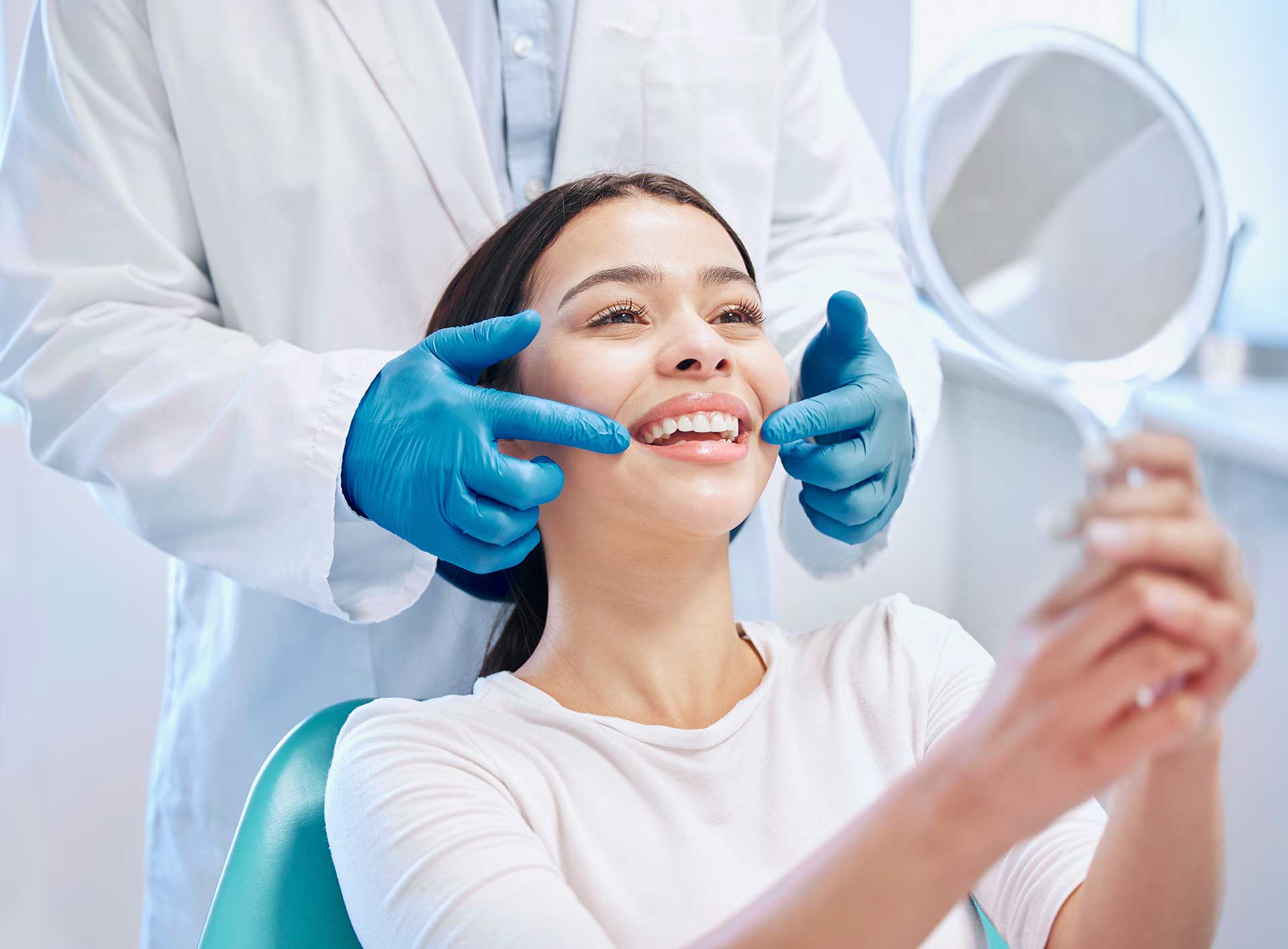
Exploring the Journey of Dental Implants: From Innovation to Impact
Dental implants have dramatically reshaped the landscape of dentistry, emerging as a preferred option for those seeking reliable and aesthetically pleasing replacements for missing teeth. Their evolution from basic replacements to sophisticated treatments has paved the way for enhanced oral well-being.
The Roots of Dental Implant Innovation
The journey of dental implants began long before the technology we see today. Early civilizations experimented with various materials like animal teeth and carved ivory to replace missing teeth. These solutions often faced challenges like poor integration and high failure rates due to mismatched materials, resembling a rudimentary attempt to reconstruct lost functionality and aesthetics.
The real breakthrough occurred with the discovery of osseointegration, a biological process where titanium implants fuse directly with the jawbone, akin to a plant taking root. This discovery shifted dental implants from being purely aesthetic replacements to functional solutions deeply integrated into the body’s structure, providing stability and permanence absent in earlier methods.
Dental Implants in the Contemporary Dental Landscape
In contemporary dentistry, implants are not just tools for restoration; they are integral to comprehensive oral health. From single-tooth replacements to complex reconstructive treatments, their role extends beyond aesthetic appeal to include functional benefits that enhance the quality of everyday life.
Hypothetically, if one were to lose a tooth, the implications extend beyond the visible gap. The absence of a tooth can lead to jawbone deterioration over time and misalignment of neighboring teeth, much like an unsupported building structure starting to crumble. Dental implants prevent such degradation by preserving bone integrity and maintaining overall facial structure.
The Multifaceted Advantages of Dental Implants
Dental implants offer a robust solution that combines durability, aesthetics, and essential functional restoration, considerably enhancing the quality of life for those who opt for them.
Restoring Natural Function and Smile Confidence
Compared to traditional methods like dentures, dental implants provide unparalleled stability. Embedded securely into the jawbone, they emulate the natural resilience and function of real teeth, allowing one to enjoy the freedom of eating, speaking, and smiling with confidence. This stability ensures implants do not shift awkwardly, a common issue with some traditional dentures.
Chewing efficiency, often compromised by other forms of prosthetic teeth, is fully restored, enabling individuals to enjoy various foods without restrictions. This return to natural eating habits aids in better digestion and overall nutritional health, further enhancing general well-being.
Long-Term Health Benefits and Oral Integrity
More than mere replacements, dental implants stand out for their contribution to long-term oral health. They serve as a preventive measure against the potential collapse of the jawbone that often follows tooth loss. By maintaining bone density, they support facial structure, preventing an aged or sunken appearance due to bone loss.
Implants also avoid the shifting of adjacent teeth into gaps left by missing ones, preserving dental alignment and preventing bite-related issues. This protective role emphasizes the holistic benefits of dental implants, acting much like a solid architectural base that maintains the integrity of a structure.
Breaking Myths and Facing Challenges of Dental Implants
Despite their numerous benefits, doubts and myths surrounding dental implants can cloud one's decision-making process. Understanding and addressing these misconceptions is essential in embracing the marvelous advancements implants represent.
Clarifying Common Misconceptions
Myths about dental implants are plentiful, ranging from them being excessively painful to only suitable for older adults. In reality, the procedure involves local anesthesia, and advancements in surgical techniques have significantly reduced discomfort and recovery time. Pain management post-surgery is typically effective with standard medications, reassuring those concerned about undergoing the procedure.
Contrary to beliefs tied to age, dental implants are viable for adults of all ages, assuming healthy jawbone density and overall good health. Their benefits extend to diverse populations who have lost teeth for various reasons, from accidents to diseases.
Overcoming Potential Challenges
Not every case or candidate fits neatly into the pathway to implants. Factors such as existing medical conditions, like uncontrolled diabetes or insufficient bone density, can impact the feasibility and success of implants. These issues, however, are often manageable with comprehensive pre-surgical evaluations and personalized treatment plans that may include procedures like bone grafting.
Recognizing the multifaceted nature of dental health and leveraging a multidisciplinary approach can significantly enhance implant success. Integrating dental professionals, specialists, and sometimes medical practitioners can tailor treatments to individual conditions, ensuring a more holistic approach to dental care.
Moving Forward with Dental Implants and Emerging Trends
The continual evolution of dental technology promises even greater improvements and innovations. At the forefront of this is the integration of novel materials and methodologies, promising enhanced outcomes in the coming years.
Innovations in Materials and Techniques
Advancements in materials have introduced options like zirconia implants, lauded for their excellent aesthetics and biocompatibility, especially beneficial for those with metal allergies, standing as an alternative to traditional titanium. Additionally, modifications to implant surfaces aim to further enhance osseointegration, securing the implant firmly within the jawbone.
The procedural techniques have also evolved, with innovations such as guided implant surgery using 3D imaging to minimize surgical trauma and promote faster healing. For some, immediate loading implants offer even swifter transitions to functional teeth, eliminating extended waiting periods common in traditional approaches.
Embracing Digital and Regenerative Technologies
Digital technology's integration into dentistry brings precision and efficiency to new heights. Digital impressions and 3D printing technologies streamline processes, improving the accuracy and fit of implants and reducing patient discomfort during the journey.
In parallel, the potential of dental-derived stem cells for tissue regeneration is a burgeoning field. These cells offer promise for enhancing bone and tissue integration around implants, presenting new opportunities for regenerative dentistry to further support implant success.
Question and Answer
-
What are dental implants, and how do they function in oral rehabilitation?
Dental implants are artificial tooth roots made from biocompatible materials like titanium. They are surgically placed into the jawbone, where they fuse with the bone through a process called osseointegration. This fusion creates a stable base for attaching crowns, bridges, or dentures, effectively replacing missing teeth. Dental implants play a crucial role in oral rehabilitation by restoring the natural function and appearance of teeth, improving chewing efficiency, and maintaining jawbone health.
-
What are the primary benefits of choosing dental implants over other tooth replacement options?
Dental implants offer several advantages over traditional dentures and bridges. They provide a permanent and secure solution that mimics the look and function of natural teeth. Implants help prevent bone loss in the jaw, maintain facial structure, and avoid the shifting of adjacent teeth. Additionally, they improve speech, enhance chewing ability, and boost self-confidence by providing a natural-looking smile. Their durability and long lifespan make them a cost-effective choice in the long run.
-
How important is dental health, and why should it be prioritized?
Dental health is critical for overall well-being. Poor dental hygiene can lead to tooth decay, gum disease, and tooth loss, affecting not only oral function but also general health. Conditions like gum disease are linked to systemic health issues, including heart disease and diabetes. Prioritizing dental health through regular brushing, flossing, and professional check-ups helps prevent these complications, maintains oral function, and contributes to a higher quality of life.
-
Why might someone consider dental implants specifically in Israel, and what are the cost implications?
Israel is known for its advanced dental care system and skilled professionals. Patients often choose to undergo dental implant procedures in Israel due to the high standard of care and cutting-edge technology available. The cost of dental implants in Israel can vary based on the complexity of the case, the materials used, and the clinic's location. While prices might be lower compared to some Western countries, the quality of care remains competitive, making it an attractive option for both local and international patients seeking reliable dental solutions.
-
What is the process of obtaining dental implants, and what should patients expect during this journey?
The dental implant process typically begins with a thorough evaluation by a dentist, including X-rays and scans to assess bone density and oral health. If suitable, the implant procedure involves placing a titanium post into the jawbone, followed by a healing period for osseointegration. After the implant has integrated, an abutment is attached, and a custom-made crown is fitted. The entire process can take several months, depending on individual healing rates and any additional procedures, such as bone grafting, that may be required. Patients should expect regular follow-ups to ensure successful integration and optimal oral health.