
From Zirconia to Same-Day Implants: Navigating Dental Solutions
In the realm of oral restoration, advancements in technology offer patients transformative solutions to tooth loss. As options expand—each varying in durability and aesthetic appeal—understanding the financial landscape becomes crucial. Navigating these choices can lead to lasting, personalized results that cater to individual needs and financial circumstances.
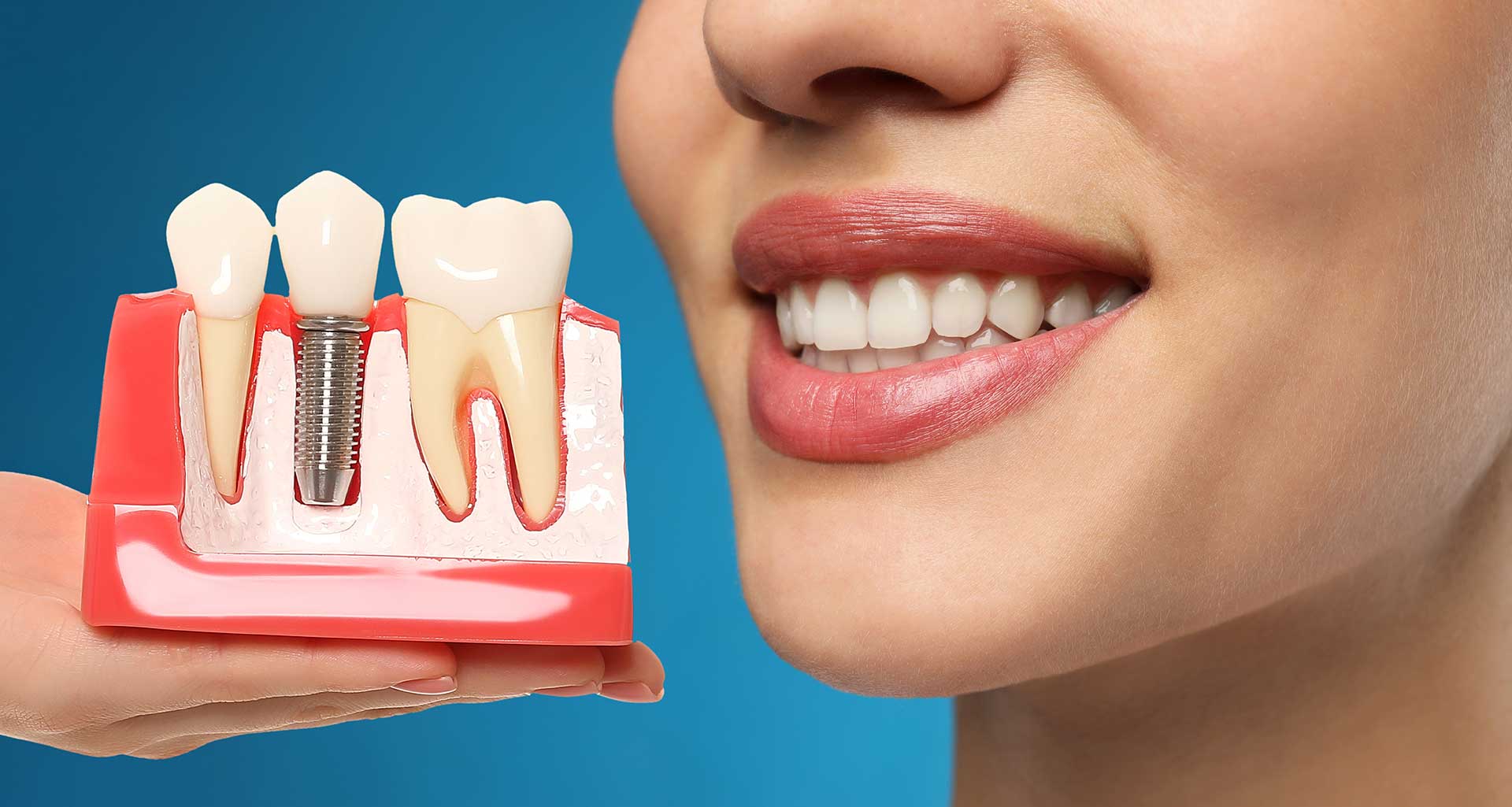
Understanding the Range of Dental Implant Options
Dental implants have gained prominence as a preferred method for replacing missing teeth due to their durability and natural appearance. However, their variety can be overwhelming. Understanding the different materials and types available can help you make an informed choice.
Materials Used in Dental Implants
The choice of material in dental implants plays a crucial role in their success and aesthetic appeal. Two primary materials dominate the market—titanium and zirconia.
Titanium Implants
Titanium, known for its strength and compatibility with the human body through a process called osseointegration, has been a staple in dental implant technology. It creates a strong bond with the jawbone, thus providing stability and longevity. This traditional material often undergoes surface treatments to further enhance its integration with bone structure. Although highly effective, some patients express concerns about the metallic appearance, particularly for implants that might be visible in the mouth.
Zirconia Implants
Zirconia implants are a more recent development and offer a metal-free alternative. This ceramic material is biocompatible and boasts a tooth-like appearance, which makes it an attractive option for those prioritizing aesthetics. In addition to being aesthetically pleasing, zirconia is robust and integrates well with the jawbone. However, these implants often come at a higher cost compared to titanium, which can be a decisive factor for some patients.
Types of Dental Implants
The choice of the implant type depends on factors like the location of the tooth loss and the condition of the patient's jawbone. Different types offer various benefits and can influence the overall treatment strategy.
Endosteal Implants
Endosteal implants are the most commonly used type, placed directly into the jawbone. Suitable for patients with adequate bone density, these implants can hold different types of prosthetics. Their design often mimics a screw, which facilitates anchoring in the bone.
Subperiosteal Implants
For those lacking the necessary bone density for endosteal implants, subperiosteal implants offer an alternative. Positioned on top of the jawbone but beneath the gum tissue, they do not require extensive bone mass. However, their use has decreased over time with advances in grafting and bone augmentation techniques.
All-on-4 Implants
This innovative method involves supporting an entire arch of teeth using only four implants. The All-on-4 technique is less invasive and generally more cost-effective than replacing each tooth individually. This approach appeals to those seeking a comprehensive solution with fewer implants.
Financial Implications: Weighing Costs and Benefits
While the upfront expense of dental implants might seem high, evaluating the long-term benefits often reveals them as a cost-effective investment compared to other tooth replacement options.
Comparing Implants to Other Options
Dentures and bridges generally have lower initial costs than implants. A crown, for example, might range from $1,431 to $1,753. However, these alternatives sometimes require more frequent replacements and can contribute to long-term oral health issues. Bridges may stress adjacent teeth, and dentures can lead to bone loss, both of which might demand future corrective procedures. Over time, these added expenses often exceed the initial cost of implants, making the latter a more economically sound choice.
Impact of Aging Populations
The growing recognition of implants as a sustainable solution is underscored by increasing demand, particularly among aging populations. This demographic shift is driving innovation and potentially influencing pricing as implants become more commonplace and supported by insurance or health policies that focus on long-term health outcomes.
Government and Insurance Perspectives
Some government health reports and value-based purchasing models emphasize dental implants' potential to lower long-term healthcare expenses. By reducing complications and the need for additional treatments, implants are aligned with strategies focusing on quality of life and functional outcomes, providing a compelling case for insurance inclusion.
Technological Advances Enhancing Implant Efficacy
Technology plays a pivotal role in improving the efficacy and accessibility of dental implants. From enhanced imaging to digital planning, innovations are making procedures more predictable and patient-friendly.
AI-Powered Imaging and Planning
Advanced imaging technologies, such as Cone Beam Computed Tomography (CBCT), now integrate with artificial intelligence to provide comprehensive 3D mapping of the jawbone. This precision allows dentists to view detailed anatomical structures, reduce procedural risks, and optimize implant placement. Customized surgical guides resulting from AI analyses are key to accurate, less invasive surgeries, enhancing patient safety and outcomes.
Automation in Workflows
Automation and artificial intelligence streamline implant procedures from diagnostic stages to the final restoration. CAD/CAM systems enhance implant design, leveraging AI to tailor each implant to individual anatomical features. These automated processes greatly improve the precision and speed of treatment, offering patients robust solutions with reduced downtime.
The Rise of Mini Implants
Mini implants offer a cost-effective, minimally invasive alternative for patients with adequate bone but needing immediate options. With improved surface treatments enhancing their integration, these implants often serve as temporary or transitional solutions. Their lower cost and reduced surgery time make them appealing, although they are often considered less durable than traditional options.
Demystifying the Process of Getting Implants
Understanding the process, from the initial consultation to final restoration, is essential for anyone considering dental implants. This roadmap helps demystify what can be an intimidating prospect, offering clarity and building confidence in the decision.
Initial Consultation and Planning
The journey begins with a comprehensive assessment. Dentists review medical histories and conduct thorough oral examinations, often utilizing advanced imaging to assess jawbone health and planning needs. This stage is crucial for devising a tailored treatment plan, detailing every step of the process and addressing patient concerns regarding costs, recovery, and expected outcomes.
Surgical Placement and Healing
Implant placement, performed under anesthesia, involves inserting the post into the jawbone. Techniques like All-on-4 may be employed, especially for full arch replacements. Bone grafting might be necessary if bone density is insufficient, ensuring implant stability. The healing phase, known as osseointegration, is critical, as the implant must fuse with the bone over several months, during which temporary restorations may be used.
Final Restoration and Post-Care
Once an implant successfully integrates, an abutment connects it to the custom-crafted crown. This final stage restores functionality and aesthetic appeal, resembling natural teeth. Post-surgery care is pivotal, with regular check-ups ensuring ongoing implant health and addressing hygiene practices to prevent complications like peri-implantitis.
In conclusion, dental implants offer both functional benefits and aesthetic enhancements, contributing to enhanced confidence and quality of life. By understanding the material options, types, technological advancements, and financial considerations, you can make informed decisions that align with your personal and financial needs.
Q&A
-
What is the average cost of All-on-4 dental implants?
The cost of All-on-4 dental implants can vary significantly depending on the location, the expertise of the dental professional, and the materials used. On average, patients can expect to pay between $15,000 to $30,000 per arch. This price typically includes the surgery, temporary prosthetics, and follow-up appointments. It’s advisable to get a detailed quote from your dental provider to understand what is included in the price.
-
Are lifetime warranty dental implants really guaranteed for life?
Lifetime warranty dental implants often cover the implant itself but not necessarily the procedure or additional treatments that might be required. This warranty usually means that if the implant fails due to a defect in the material or manufacturing, it will be replaced at no extra cost. However, it’s important to read the fine print and understand the terms and conditions, as well as any maintenance requirements that might affect the warranty.
-
How do same-day dental implants work in {city}?
Same-day dental implants, also known as immediate-load implants, allow patients to have implants placed and restored in a single appointment. This is possible through advanced imaging and planning technology, which ensures precise placement. In {city}, many dental clinics offer this service, enabling patients to leave with a functional and aesthetic temporary prosthetic on the same day as their surgery. Consultation with a local specialist will help determine if you are a candidate for this procedure.
-
What makes a painless dental implants specialist different?
A painless dental implants specialist focuses on minimizing discomfort and anxiety associated with implant procedures. This can involve the use of sedation dentistry, advanced anesthetic techniques, and state-of-the-art equipment to ensure a gentle experience. These specialists are particularly beneficial for patients who have dental phobias or sensitive pain thresholds, providing a more comfortable and stress-free treatment.
-
Why might someone choose zirconia dental implants in the USA?
Zirconia dental implants are chosen for their aesthetic advantages and biocompatibility. Unlike traditional titanium implants, zirconia implants are white, making them a more natural-looking option, especially for front teeth. Additionally, zirconia is a hypoallergenic material, reducing the risk of allergic reactions. In the USA, patients might select zirconia implants for their durability, aesthetic appeal, and because they are a metal-free alternative.