
Exploring Career Paths in Packaging and Labeling: From Cosmetics to Pharmaceuticals
The field of packaging and labeling is increasingly vital in various industries, including cosmetics and pharmaceuticals. It's not just about wrapping products; it's an intricate blend of design, innovation, and regulatory compliance. As demand for distinctive branding and sustainable solutions grows, career opportunities abound for those ready to master this complex landscape.
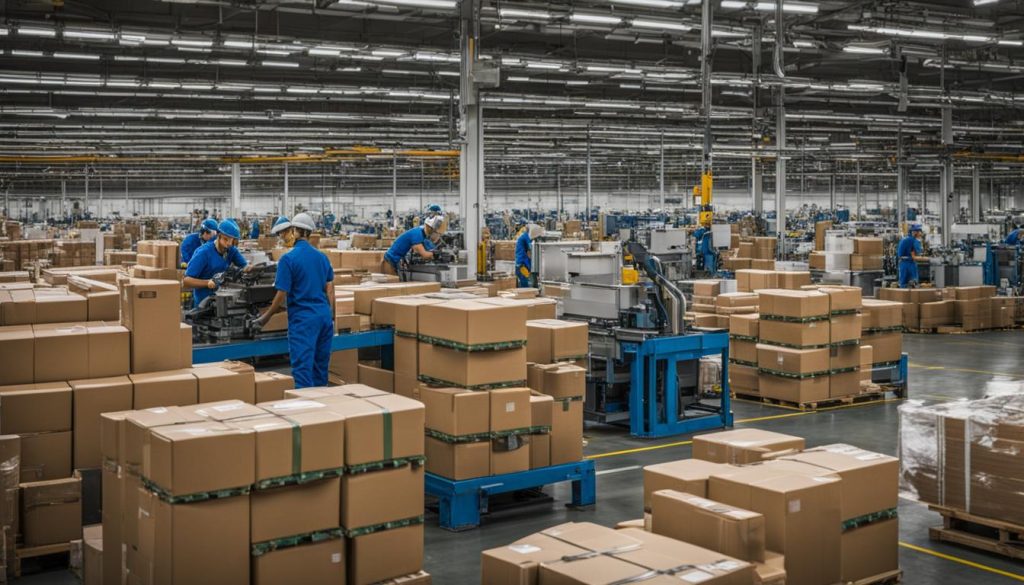
Unpacking the Future: Innovations in Cosmetic Packaging Careers
The cosmetic packaging industry is transforming, driven by sustainability and innovation. This evolution creates exciting career opportunities. Let's explore the emerging trends and roles shaping the future of packaging.
1. The Evolving Cosmetic Packaging Market
The cosmetic packaging sector is experiencing significant growth and change. Driven by demands for eco-friendly solutions and innovative designs, the global market is set to expand considerably. This presents numerous opportunities for professionals in packaging and labeling.
2. Key Trends Driving Change
Several key trends are reshaping cosmetic packaging. These include a growing demand for eco-friendly and sustainable packaging solutions, innovations in refillable systems that reduce waste, and the increasing use of plant-based and recyclable materials. Major companies are leading the way.
3. Career Opportunities in Packaging
While specific employment statistics are limited, the move toward sustainable and innovative packaging creates new roles. Companies need experts in material science, design, and supply chain management to implement these changes effectively, offering diverse career paths.
4. Industry Challenges and Opportunities
Despite advancements, the industry faces workforce challenges, including skill gaps and labor shortages. These challenges highlight the need for qualified candidates and create opportunities for training and career development in packaging and labeling. This makes it a promising field for job seekers.
Branding Beyond Boxes: How Packaging Shapes Consumer Perception
Packaging plays a crucial role beyond simply containing a product; it significantly influences consumer perception and brand identity. This blog post explores how strategic packaging choices impact consumer preferences, focusing on materials, sustainability, and regional differences.
1. The Growing Importance of Sustainable Packaging
Consumers are increasingly aware of the environmental impact of packaging, leading to a demand for sustainable options. Companies are responding by exploring eco-friendly materials and designs. The flexible packaging industry's significant economic output—driving $151.4 billion and supporting nearly 400,000 American jobs—highlights the industry's scale and its potential for sustainable innovation.
2. Regional Preferences in Packaging
Consumer preferences for packaging vary significantly by region, influenced by factors like cultural norms, economic conditions, and environmental awareness.
Notably, European consumers prioritize recyclability and are more willing to pay extra for sustainable packaging. North Americans focus on recycled content, while consumers in Asia Pacific emphasize affordability. These regional nuances underscore the need for tailored packaging strategies.
3. Career Paths in Packaging and Labeling
The packaging industry offers diverse career opportunities, from operational roles to specialized design and engineering positions. Packaging Operator roles are projected to increase by 4.6% from 2022 to 2032, with an average of 42,400 positions available annually. Emerging roles like Digital Packaging Lead and Associate Principal Engineer – Packaging Design also reflect the industry's evolution.
4. Addressing Hiring Challenges
Despite the growth in opportunities, the packaging industry faces hiring challenges. Many companies struggle to find both unskilled and experienced workers. This skills gap highlights the need for training and development initiatives to ensure a qualified workforce.
From Plastic to Pills: Navigating Pharma Packaging Pathways
The packaging and labeling industry presents numerous career opportunities across various sectors. From packing operators to specialized engineering roles, understanding the landscape is key to navigating potential career paths, especially within the growing pharmaceutical sector.
1. The Broad Scope of Packaging Careers
The packaging industry is a significant economic driver, supporting numerous jobs. The industry encompasses roles from packing operators to quality control specialists, providing a range of opportunities for job seekers. The sector’s broad reach highlights its importance in the overall economy.
2. Growth in Flexible Packaging
The flexible packaging segment significantly contributes to the economic output. This sector alone accounts for a substantial economic impact and supports a large workforce, underscoring its vital role in the broader packaging industry. Recent data suggests continued expansion and demand in this area. The flexible packaging industry alone drives $151.4 billion in total economic output and supports nearly 400,000 American jobs[5].
3. Pharmaceutical Packaging Opportunities
While specific details on pharmaceutical packaging career pathways are limited, the sector is experiencing growth. Increasing demand in pharmaceuticals, along with e-commerce, is driving the expansion of the corrugated fanfold packaging market. Capital investments are being made to meet this growing need.
4. Demand and Hiring Challenges
Despite the growth and opportunities, the packaging industry faces hiring challenges. Many companies struggle to find skilled and unskilled workers, indicating a strong demand for qualified candidates across various roles. Addressing these challenges is crucial for sustaining industry growth.
Beyond the Surface: Sustainable Practices in Modern Labeling Jobs
The packaging and labeling industry is evolving, with sustainability becoming a core focus. This shift presents new challenges and opportunities for professionals in the field. Let’s explore the key trends and practices shaping sustainable labeling.
1. Market Growth and Trends in Sustainable Labeling
The market for sustainable packaging and labeling is experiencing significant growth, driven by consumer demand and regulatory pressures. A notable trend is the increasing adoption of recyclable and biodegradable labels. This is especially evident in the Asia-Pacific region, which is witnessing rapid urbanization and retail infrastructure development.
| Region | Market Size (USD Billion) | Sustainable Labeling Trends | Growth Drivers | Notable Applications |
|---|---|---|---|---|
| Asia-Pacific | 58.2 (2025) → 91.2 (2035) | Focus on recyclable, biodegradable labels | Urbanization, retail infrastructure, regulations | Smart labels, fiber-based, compostable materials |
| Europe | Not specified | Leading regulatory compliance; circular economy initiatives | High adoption of paper-based labels | Pharma, logistics with smart/RFID labels |
| United States | Part of North America | Advanced R&D in sustainable materials; PRO label updates | Corporate sustainability commitments, regulations | Compostable adhesives, water-based inks |
数据来源:National Law Review ("Packaging Labels Market to Reach USD 91.2 Bn by 2035"), November 2025。
The table illustrates the projected growth in the Asia-Pacific market, with an increase from $58.2 billion in 2025 to $91.2 billion by 2035, highlighting the increasing focus on sustainable labeling solutions like smart labels.
2. Innovations in Materials and Technology
Advancements in materials science are crucial to achieving sustainability goals. Compostable adhesives and water-based inks are becoming more prevalent, especially in regions like the United States, driven by corporate sustainability commitments. Furthermore, digital packaging leads are exploring AI and data modeling to enhance packaging design and sustainability.
3. Career Opportunities in Sustainable Packaging
The focus on sustainable practices creates diverse career opportunities. Packaging development roles and brand and packaging designer positions are in demand. These roles require a blend of creativity, technical knowledge, and a commitment to environmental responsibility.
Choosing Your Niche: Practical Tips for Aspiring Packaging Professionals
The packaging industry offers diverse career paths. Identifying a specific niche can help you focus your skills and increase your chances of success. This guide provides insights into choosing a niche within this dynamic field.
1. Understanding the Packaging Landscape
The packaging sector is a significant source of employment. The flexible packaging industry alone contributes substantially to the economy, supporting numerous jobs. This highlights the industry's importance and the opportunities it presents for those seeking a career.
2. Exploring Career Opportunities
Various roles are available, from foundational positions like Packaging Operators to specialized roles. Packaging Operators are crucial, and there's an anticipated increase in job openings for these roles. Emerging positions also include those focused on digital packaging, design, and development, reflecting the industry's evolution.
3. Addressing Industry Challenges
Many companies face difficulties in filling both unskilled and experienced positions. This skills gap indicates a strong demand for qualified individuals in the packaging industry, making it a promising field for those willing to develop the necessary expertise.
4. Analyzing Label Market Trends
The labels market showcases interesting trends across different types. For example, pressure-sensitive labels currently hold a significant market share due to their widespread use in retail packaging and product identification. Meanwhile, smart labels are expected to grow substantially in the coming years. The following table shows more details:
| Label Type | Market Share (%) | Primary Applications |
|---|---|---|
| Pressure Sensitive Labels | 38 | Retail packaging, product identification |
| Shrink Sleeve Labels | 24 | Beverage bottles, curved containers |
| In-Mold Labels | 16 | Durable goods, automotive applications |
| Glue-Applied Labels | 14 | Traditional packaging, cost-sensitive applications |
| Multi-Layer Labels | 8 | Pharmaceutical, regulatory compliance |
| Smart/RFID Integrated Labels (3-5 years forecast) | 28-32 | Supply chain tracking, inventory management |
| Digital Printed Pressure Sensitive Labels (3-5 years forecast) | 26-30 | Customization, short-run production |
Data Source: Future Market Insights, "Labels Market | Global Market Analysis Report - 2035" (Published 2025)
Q&A
Question 1:What are the salary trends and economic impacts of the flexible packaging industry?
Answer: The flexible packaging industry significantly impacts the economy, driving $151.4 billion in total economic output and supporting nearly 400,000 American jobs. This highlights its potential for sustainable innovation and the continuing economic benefits of careers in this sector.
Question 2: What practical guidance is offered for individuals evaluating their path in packaging and labeling careers?
Answer: Individuals are advised to identify a specific niche within the packaging field to focus their skills and increase their chances of success. This involves understanding the landscape, exploring various roles from operational positions to specialized digital packaging jobs, and addressing the skills gap in the industry.
Question 3: What long-term considerations should professionals keep in mind for sustaining a thriving career in packaging and labeling?
Answer: Professionals should focus on continuous skill development, especially in sustainable practices and advanced technologies like AI and digital modeling. Engaging with industry challenges such as the skills gap will also position individuals as valuable candidates, helping sustain long-term career growth.
Question 4: How is regional consumer preference impacting packaging strategies in 2025?
Answer: Regional preferences greatly influence packaging strategies. For example, European consumers prioritize recyclability and are more willing to pay extra for sustainable packaging, North Americans focus on recycled content, and Asia-Pacific consumers emphasize affordability. Companies must tailor their packaging approaches to align with these regional differences.