
Window Trends 2025: Style Meets Innovation
As the home design landscape evolves, 2025 promises a blend of style and technology for window coverings. The latest approaches focus on creating an inviting ambiance through earthy tones, innovative layers, and cutting-edge automatons, ensuring both aesthetic appeal and enhanced functionality in every room.
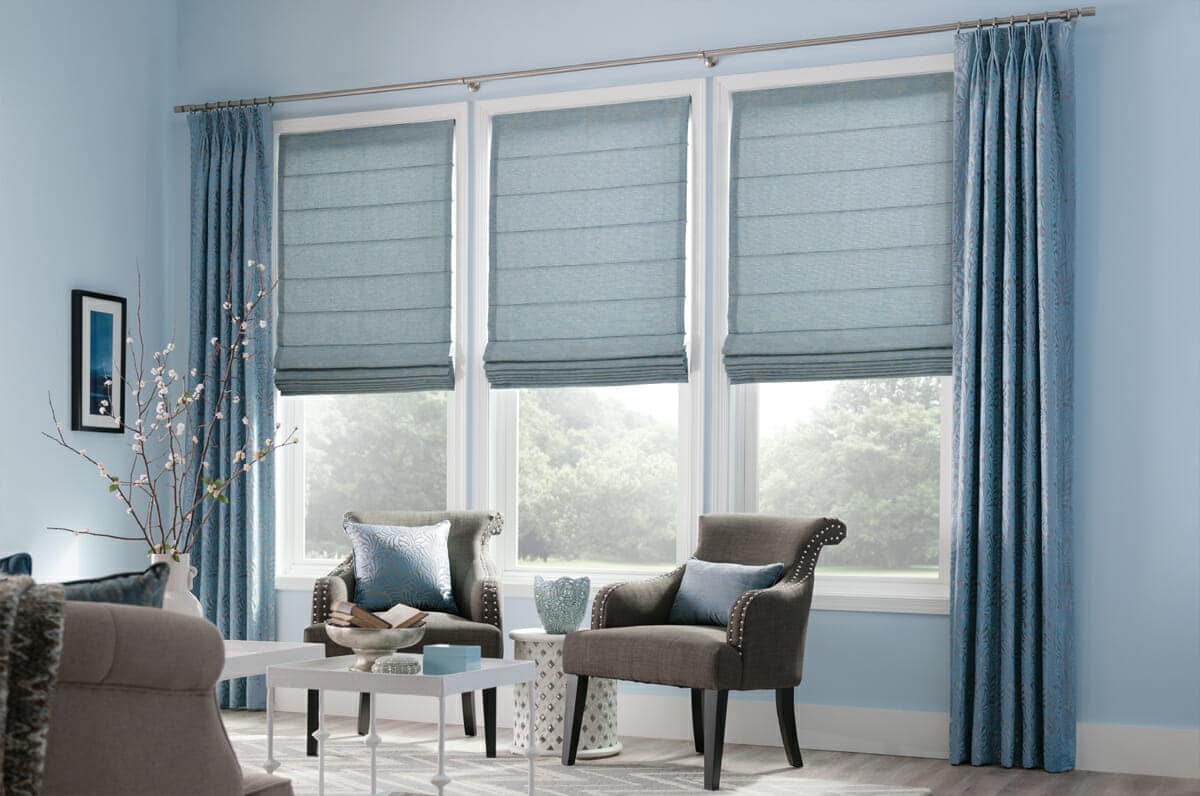
Embracing Earthy Elegance: Nature-Inspired Window Trends
Looking to bring the tranquility of the outdoors inside? Nature-inspired window treatments offer a stylish way to connect with the natural world. Let's explore how to incorporate this trend into your home.
The Allure of Natural Materials
Moving away from harsh synthetics, the focus is now on organic and sustainable materials. Bamboo shades, rattan window pelmets, and linen curtains are leading the charge. Bamboo, for instance, filters light beautifully, providing a soft glow and a touch of nature inside. Rattan adds rustic charm, while linen offers effortless draping, contributing to a healthier, eco-conscious living space. These materials create a warm, inviting atmosphere that is both sophisticated and grounded.
Earth Tones and Textures
The color palette in window treatments is mirroring the natural world. Soft hues like warm browns, gentle greens, and muted beiges are on-trend, crafting a calming backdrop. Texture also plays a crucial role. Think of woven fabrics, natural wood grains, and the subtle imperfections inherent in natural materials. Combining these elements, you achieve a visually interesting and soothing look.
Balancing Light and Privacy
Functionality is just as crucial as aesthetics in nature-inspired window treatments. Many options provide excellent light-filtering without sacrificing privacy. Consider layering sheer curtains with heavier Roman shades for versatility. Bamboo blinds are also a popular choice, offering seclusion while allowing a soft glow. Finding the right balance creates a comfortable, inviting space.
Integrating with Your Interior Design
The beauty of these window treatments is their versatility. They blend seamlessly with various styles, from modern farmhouse to bohemian chic. Whether your aim is minimalist or layered and textured, natural materials can enhance your decor. They add warmth and organic beauty, complementing any space.
Examples in Action
Consider these examples of nature-inspired treatments:
- Rattan Window Pelmets: These valances use water hyacinth to add organic texture and color.
- Sheer Curtains with Roman Shades: This combination enhances light and privacy control.
- Cordless Bamboo Shades: Multi-weave designs offer light filtering and texture, fitting modern farmhouse settings.
Harnessing Technology: The Rise of Automated Blinds
Imagine blinds adjusting automatically to the sun's journey across the sky, optimizing indoor light and temperature. This isn’t a futuristic fantasy; it’s the reality of automated blinds.
Convenience and Control
Automated blinds offer unmatched convenience. Control them with a button, a voice command, or a pre-set schedule, ideal for hard-to-reach windows. These blinds integrate with smart home systems like Alexa, offering seamless control with your other devices.
Energy Efficiency and Cost Savings
These blinds contribute significantly to energy efficiency. By adjusting to sunlight, they regulate indoor temperatures, reducing heating or air conditioning needs. Blinds lower to block sunlight on hot days, reducing cooling costs, and open to let sunlight warm the space on cold days, saving on heating bills.
Enhanced Home Security and Privacy
Automated blinds enhance security and privacy. Set them to open or close at specific times, deterring intruders with the illusion of occupancy. The ability to close blinds remotely adds an extra layer of privacy, especially in urban homes.
The Tech Behind the Trend
Today's blinds incorporate sensors and AI, adapting to real-time weather and preferences. They can predict sunlight changes based on forecasts. Advances in IoT make these systems even more user-friendly and interconnected.
Market Growth and Future Projections
The market for such blinds is booming, driven by interest in smart home technology and energy efficiency. As technology becomes more affordable, adoption increases, driven by the demand for sustainable solutions, solidifying automated blinds as an essential trend.
Layered Window Treatments: Adding Depth and Texture
Creating layered window treatments is an increasingly popular way to add depth and texture. Here's how to achieve this stylish look with Roman blinds and drapery.
Layered Looks: Roman Blinds and Drapery
Layering Roman blinds with drapery offers a luxurious, functional treatment. This combination provides excellent light control and privacy, enhancing your space visually.
The Foundation: Roman Blinds
Roman blinds create a clean, tailored look, available in various fabrics to customize light control. Choose the right fabric based on the room's needs—blackout for bedrooms or sheer for living rooms—and consider colors and patterns that complement existing decor.
Adding Softness: Drapery Panels
Drapery softens the sharp lines of Roman blinds, providing elegance. Fabrics like linen or velvet add texture, while the length and fullness define their look. Fullness, generally 2 to 2.5 times the window width, creates luxurious gatherings when closed.
Styling Tips for Cohesion
For a cohesive design, balance color, pattern, and texture. Opt for harmonious colors, mix patterns with varying scales, and ensure consistency in hardware finishes to match the overall aesthetic.
Functionality and Benefits
Beyond aesthetics, layered treatments offer practical benefits:
- Light Control and Privacy: Adjust blinds and drapery independently for desired light and privacy levels.
- Insulation and Sound Absorption: They provide additional insulation and reduce noise, enhancing comfort.
Examples in Different Spaces
Adapt layered treatments to suit various rooms:
- Bedroom: Use blackout Roman blinds with heavy drapery for optimal light and privacy control.
- Living Room: Pair light-filtering blinds with sheer drapery for a bright, airy feel.
- Dining Room: Combine patterned blinds with solid drapery for inviting yet understated charm.
Sheer Innovation: Enhancing Light with Linen Drapes
Linen drapes are growing in popularity for their ability to manage natural light and offer elegance. Here's why linen is a top choice.
The Magic of Light Diffusion
Linen's open weave gently diffuses sunlight, creating a soft glow without glare, making spaces more inviting. It's perfect for rooms with direct sunlight, reducing eye strain and enhancing comfort.
Natural Elegance and Texture
Beyond light enhancement, linen brings organic elegance with its natural texture, suitable for various interior styles. This understated appeal creates warmth and sophistication in any setting.
Versatility in Design and Color
Linen's ability to be dyed makes it versatile, allowing for a wide range of colors and designs to match any decor. Its bleachability enables creative treatments, enhancing room ambiance.
The Perfect Balance of Privacy and Light
Performance linen balances privacy with light, making it ideal for spaces needing both. Its diffused light creates a comfortable, secure atmosphere without sacrificing brightness.
Innovative Curtain Design Approaches
Linen's natural characteristics inspire innovative curtain designs, manipulating light for enhanced space ambiance. Its timeless appeal continues to drive new creative uses in curtain design.
Beyond Aesthetics: Functional Appeal of Insulated Panels
Insulated panels are more than an afterthought, offering significant functional benefits. They're high-performance shields for your home's thermal environment.
Energy Efficiency Champions
Insulated panels minimize heat transfer, reducing reliance on air conditioning in warm climates and preventing heat loss in cold ones. This leads to energy savings and a reduced carbon footprint, making your home eco-friendly.
Enhanced Comfort and Noise Reduction
These panels also maintain a cozy atmosphere by minimizing drafts and fluctuations. They act as sound barriers, muffling noise, beneficial for urban areas or homes near roads.
Durability and Longevity
Insulated panels resist weathering and require less maintenance, with a longer lifespan than traditional options. Investing in them enhances your home's value, longevity, and comfort while providing long-term energy savings.
Question and Answer
-
What are the best home window replacement options in 2025?
The best home window replacement options in 2025 are expected to focus on energy efficiency, sustainability, and smart technology integration. Triple-glazed windows with low-emissivity coatings are popular for their superior insulation properties, reducing energy costs by maintaining consistent indoor temperatures. Additionally, windows made from sustainable materials, such as recycled aluminum or wood from certified sources, are gaining traction. Innovations like smart glass, which can adjust its opacity for privacy and light control, are also becoming increasingly sought after in modern homes.
-
What are some modern window treatments suitable for living rooms in 2025?
In 2025, living room window treatments are expected to combine style and functionality. Layered window treatments, such as combining sheer curtains with blackout drapes or Roman blinds, offer versatility in light control and privacy. Automated blinds, which can be controlled via smart home systems, add a layer of convenience and can adapt to changing light conditions throughout the day. For a modern aesthetic, consider floor-to-ceiling linen drapes, which add elegance and help diffuse natural light beautifully.
-
How can homeowners upgrade their windows for better energy efficiency?
Homeowners can enhance their windows' energy efficiency by opting for double or triple-glazed windows with inert gas fills, such as argon or krypton, between the panes. These windows significantly reduce thermal transfer, keeping homes cooler in summer and warmer in winter. Adding low-emissivity (Low-E) coatings can further improve energy efficiency by reflecting infrared and ultraviolet light. Weatherstripping and sealing any gaps around existing windows can also prevent drafts and heat loss, enhancing overall energy performance.
-
What are the latest trends in modern window treatments for 2025?
Modern window treatments in 2025 focus on sustainability, automation, and minimalistic design. Natural materials, such as bamboo and rattan, are favored for their eco-friendly appeal and ability to bring an organic touch to interiors. Automated window coverings, including motorized blinds and shades, integrate with smart home systems for effortless operation. Additionally, the use of light-filtering fabrics and materials that offer a balance of privacy and light control are in vogue, providing both functional and aesthetic benefits.
-
What are the best window treatments for homes in urban areas?
For urban homes, window treatments that offer privacy without sacrificing natural light are ideal. Consider using double-layered treatments, such as sheer curtains paired with heavier drapes or Roman shades, to adjust light and privacy levels as needed. Automated blinds are particularly useful in urban settings for their convenience and ability to simulate occupancy, enhancing security. Sound-absorbing materials, like thick drapes or cellular shades, can also help reduce noise pollution, creating a more tranquil home environment.
References:
- https://theshutterstudio.com/news-tips/window-treatment-trends-2025/
- https://www.housebeautiful.com/room-decorating/g811/designer-window-treatments/
- https://www.skylinewindowcoverings.com/types-of-window-treatments/
- https://www.drewandjonathan.com/design-and-decor/best-window-treatment-ideas/
- https://www.macys.com/shop/home/home-decor/window-treatments?id=198072