
Transform Your Smile with Invisalign: A Digital Revolution in Orthodontics
Embarking on the path to a dazzling smile now interweaves cutting-edge digital innovations with personalized orthodontic care. Invisalign clear aligners leverage sleek 3D imaging and tailor-made treatment plans, creating a seamless transformation experience. Discover how these advancements redefine comfort and outcomes, promising a radiant, confident smile.
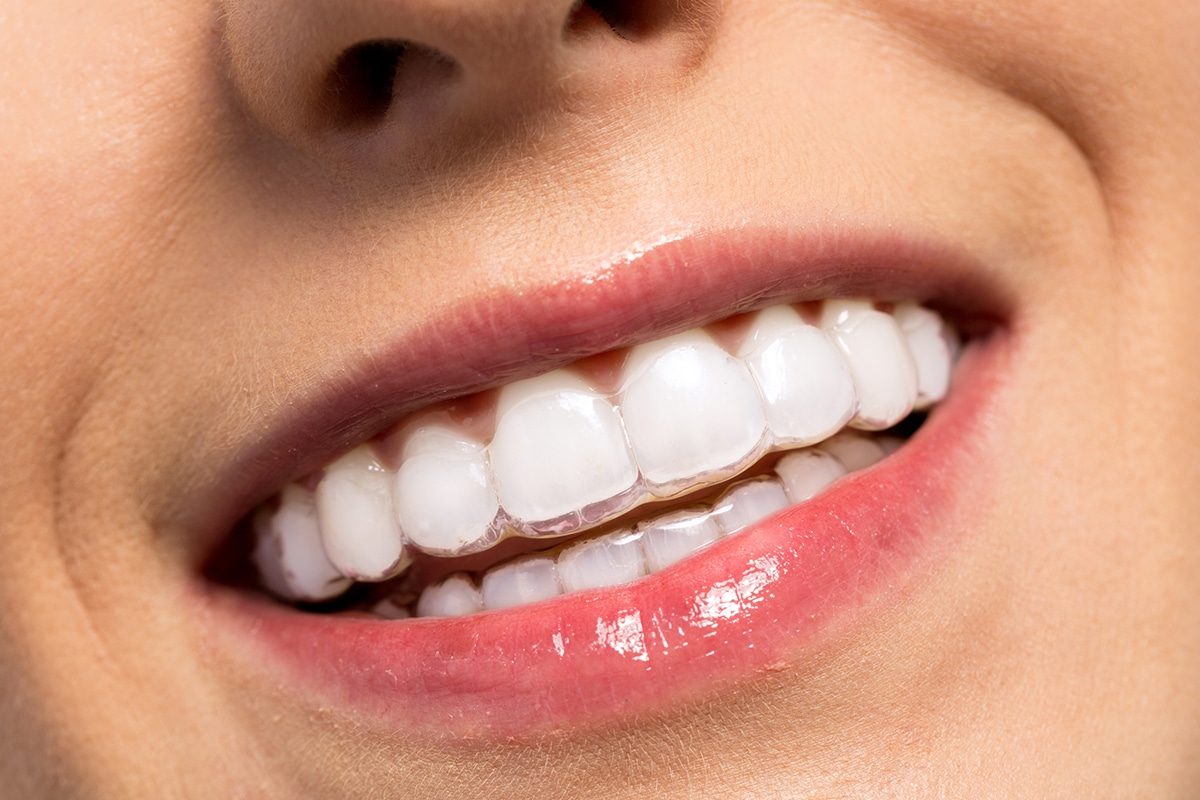
Unveiling the Invisalign Journey: From First Consultation to Last Aligners
Embarking on an Invisalign journey is an exciting and transformative experience. From the very first consultation to the final placement of your aligners, each step is designed to ensure that your orthodontic treatment is personalized, efficient, and comfortable. Utilizing the latest in dental technology, Invisalign offers a discreet and effective solution for achieving the smile you've always wanted, with an emphasis on convenience and patient satisfaction. Let’s dive into the process and explore how Invisalign helps you achieve a beautifully aligned smile.
1. The Initial Consultation and Digital Planning
The Invisalign process begins with an in-depth consultation where your orthodontist assesses your unique needs. This first step is key to developing a treatment plan that fits you specifically. During the consultation, your dentist uses advanced 3D imaging technology to create a detailed digital model of your teeth. Unlike traditional methods that require molds, this technology provides more accuracy and a more comfortable experience. The digital scans allow for a clearer understanding of your dental structure and enable your orthodontist to show you a virtual preview of how your teeth will look once the treatment is complete. This visual preview can help set realistic expectations and provide you with confidence about your journey ahead. From this initial assessment, a tailored treatment plan is crafted, ensuring the best possible outcome.
2. Custom Aligners and Treatment Duration
Once your personalized plan is in place, custom aligners are created specifically for your teeth. These aligners are designed to apply gentle pressure to gradually shift your teeth into their optimal positions. Each aligner is worn for a specific period, typically adjusted every two weeks. The aligners are virtually invisible, allowing you to wear them throughout the day without anyone noticing. The duration of your treatment depends on the complexity of your case and how well you follow the prescribed treatment plan. For most people, the process involves a series of aligners that are replaced in stages. As your teeth begin to shift, you may start to notice small changes over time, bringing you closer to your desired smile.
3. Types of Invisalign Treatments and Their Durations
Invisalign offers a range of treatment options to meet the needs of different individuals. These treatments vary in terms of the level of correction required, the number of aligners involved, and the overall duration of the treatment. Some cases may require more intensive adjustments, while others can be treated with a more simplified approach. For patients with complex dental issues, additional aligners or specific treatment techniques may be required. Your orthodontist will guide you in selecting the right Invisalign treatment option based on your dental needs and desired outcomes. Regardless of the type, the core principle remains the same: achieving a straighter smile through discreet, comfortable, and effective aligners.
3D Magic in Dentistry: How Digital Innovations Drive Smile Transformations
Digital dentistry is revolutionizing how smiles are transformed, especially with innovations like Invisalign. These advancements offer more precise and personalized treatments. Let's explore how 3D technology is shaping the future of orthodontics in the United States.
1. The Digital Revolution in Orthodontics
The introduction of 3D imaging and AI-powered tools has fundamentally changed how orthodontic treatments are planned and executed. Traditional impressions, which could be uncomfortable and imprecise, are being replaced by advanced digital scans that create highly accurate models of a patient’s teeth and bite. This digital approach allows dentists to visualize the entire treatment process, design customized aligners with precision, and simulate the final smile before the treatment even begins. The use of digital technology improves the predictability of outcomes, giving patients a clearer understanding of their treatment and how their smile will evolve. Additionally, the ability to view a virtual preview of their results increases patient confidence and satisfaction, providing a more engaging and informed treatment experience.
2. Market Growth and Trends
The clear aligners market in the United States is undergoing a period of rapid expansion, driven by several key factors. This surge in demand for invisible orthodontic solutions reflects a major shift in the way people approach dental care. As patients increasingly prioritize aesthetics, comfort, and convenience, clear aligners are emerging as the preferred alternative to traditional metal braces. The primary catalyst behind this growth is the continuous technological advancements in dental tools and treatment methods. The development of more precise 3D imaging and AI-powered treatment planning has made it easier for orthodontists to design customized treatment plans that are highly effective and tailored to each individual’s unique dental structure. These innovations have not only enhanced the accuracy and efficiency of clear aligner treatments but also significantly improved patient outcomes, making the treatment process more predictable and less time-consuming.
3. Personalized Treatment Timelines
One of the standout features of Invisalign is its personalized treatment plans. Treatment timelines can vary based on several factors, including the complexity of the case, the age of the patient, and their compliance with wearing the aligners as prescribed. For most adults, treatment typically spans between 12 to 18 months, but minor cases may be completed in a shorter period, sometimes as little as 6 months. On the other hand, more complex dental issues may require up to 2 years of treatment. The ability to receive personalized time estimates comes from detailed consultations and comprehensive examinations. With 3D technology, your orthodontist can evaluate the alignment of your teeth more precisely, giving you a clearer picture of how long your treatment will take and what steps are necessary to achieve your perfect smile.
Q&A
Question 1: How does advanced 3D imaging technology play a role in the initial consultation for Invisalign?
Answer: Advanced 3D imaging technology is used during the initial consultation to create a precise digital model of a patient's teeth. This allows dentists to design a personalized treatment plan and simulate the expected smile transformation, improving patient engagement and satisfaction. Patients can even preview their potential results before starting the treatment.
Question 2: What factors can influence the duration of an Invisalign treatment?
Answer: The duration of Invisalign treatment can vary based on several factors, including the complexity of the case, patient compliance, age, and dental health. For most adults, the treatment lasts between 12 to 18 months, while simpler cases might finish in as little as 6 months, and more complex cases can take up to 2 years.
Question 3: What role does patient compliance play in the success of Invisalign treatment?
Answer: Patient compliance is crucial for the success of Invisalign treatment. Aligners need to be worn for 20-22 hours per day to ensure that teeth move as planned. Inconsistent wear can disrupt the treatment timeline and affect the achievement of desired results, making compliance essential for effective treatment.