
Lifeline to Connection: Empowering Communities with Free Phones
In an era where staying connected is vital, certain programs offer essential communication tools to residents in multiple regions, bridging economic disparities. Through this initiative, individuals gain crucial access to communication services, enhancing their ability to maintain personal connections and respond to emergencies effectively.
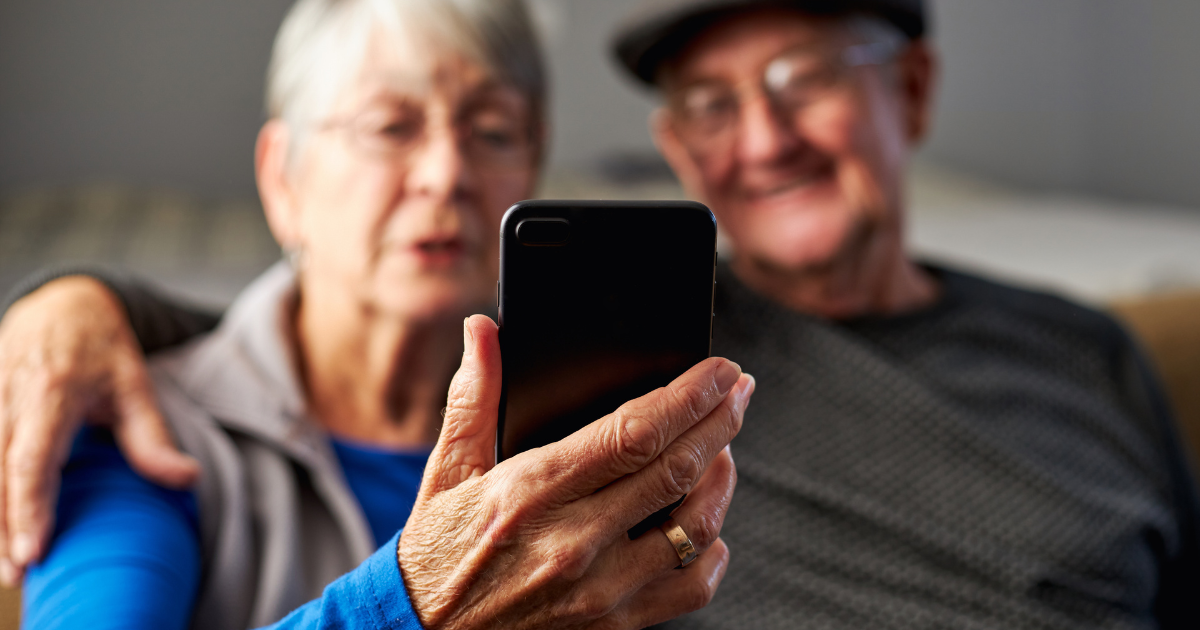
The Lifeline Program: Ensuring Essential Access
The Lifeline program is a key federal initiative designed to make communication services more affordable for those in need. By offering financial assistance to low-income individuals and families, it ensures that basic phone and internet services are accessible, thus bridging the communication gap in today's digital-centric society.
1. Mechanics and Benefits
The core benefit of the Lifeline program is the monthly discount it provides on phone or internet services. This discount significantly alleviates the financial burden of maintaining connectivity, with amounts varying based on geographical and situational factors. For those residing on Tribal lands, the discounts can be even more substantial. This structure not only encourages digital inclusion but also allows people to access vital services that rely heavily on communication technology.
2. Who Qualifies?
Eligibility for the Lifeline program is primarily based on household income or participation in other federal assistance programs. Individuals who fall within a certain income threshold, relative to the federal poverty guidelines, qualify for this benefit. Moreover, participation in programs like Medicaid, SNAP, or Federal Public Housing Assistance automatically qualifies individuals for Lifeline, making it a crucial safety net for various underserved communities.
3. Finding the Right Provider
Many telecommunications providers participate in the Lifeline program, offering free devices as part of their service packages. Choosing the right provider means considering factors such as plan features, network reliability, and customer service, all of which can significantly influence the quality of service received. Identifying a reputable provider in one’s area is the first step towards tapping into these essential connectivity benefits.
Impact of Free Phones on Communities
Access to telephony through free government programs transcends mere communication, redefining how individuals engage with their communities and opportunities. It democratizes access to information and services, core components of modern societal participation.
1. Transformative Potential
The provision of free phones through programs like Lifeline turns a simple communication tool into a life-transforming device. These phones provide security by enabling emergency calls, facilitate essential interactions with healthcare and service providers, and offer a gateway to information critical for daily life. By empowering individuals with the ability to participate in community and economic activities, the program plays a significant role in societal integration.
2. Reducing Social Isolation
For many, especially those in low-income areas, the cost barrier to obtain and maintain a phone is an isolation factor. The Lifeline program helps mitigate these barriers, promoting social inclusion by allowing individuals to stay connected irrespective of their financial standing. This is especially significant for marginalized groups, where social bonds can be strengthened through consistent communication.
Programs for Seniors: Connecting the Elderly
Seniors often face unique challenges in maintaining connectivity due to financial constraints and technological barriers. Programs offering free or subsidized phone services provide a crucial link for the elderly to remain active in today's fast-paced world.
1. Tailoring Services for Seniors
Recognizing the needs of the senior population, programs often customize their offerings to enhance usability and access. From simplifying the application processes with no credit checks to providing features like enhanced support and easy-to-use devices, the focus is on keeping seniors engaged and independent. A direct benefit for seniors is the ability to maintain consistent contact with loved ones and partake in necessary healthcare routines.
2. Facilitating Healthcare and Emergency Access
Access to healthcare services is paramount for seniors, and a phone is often the first step to ensuring this. With a phone, seniors can effortlessly schedule appointments, utilize telehealth services, and communicate with health professionals without constraints. In emergencies, having a reliable communication device can be lifesaving, enabling quick responses and immediate contact with emergency services.
Top Providers: Comparing Services and Features
Choosing between providers involves weighing various factors around data offerings, network reach, and additional services. Below is an insightful comparison of the key providers engaged in the Lifeline program, whose offerings help bridge the digital divide.
| Provider | Network | Data Offerings | Special Features |
|---|---|---|---|
| Assurance Wireless | T-Mobile | Free minutes (up to 1,000), unlimited texts, up to 4.5GB data (varies by state) | Operates on T-Mobile network |
| Safelink Wireless | Verizon | Unlimited talk & text, free data varies, some hotspot data | Verizon network |
| TruConnect | T-Mobile/Verizon | Unlimited talk & text, some data, free international calls | Flexible on networks |
| AirTalk Wireless | Nationwide | Free iPhones with plans offering 5-16GB data, unlimited talk/text, free international calling | Notable for international calls |
Data Source: U.S. Federal Lifeline Program and Official Lifeline Providers (Airtalk Wireless, Assurance Wireless, Safelink Wireless, TruConnect); Time: 2023-2025
1. Assurance Wireless
As a prominent provider, Assurance Wireless uses the T-Mobile network and offers a varied range of services that can differ by state. The flexibility in plan offerings can be an advantage for users seeking specific usage needs, especially those in areas with solid T-Mobile coverage. Understanding the specific data limits and service conditions is crucial for subscribers to get the best out of Assurance’s offerings.
2. Safelink Wireless
Running on the robust Verizon network gives Safelink an edge in coverage, an important consideration for users in less urban areas. Their plans often include unlimited communications, ensuring users stay connected without the stress of depleting services. Safelink’s flexibility in data offerings makes it a strong contender where network reach and service dependability are priorities.
3. TruConnect and AirTalk Wireless
TruConnect offers a hybrid model utilizing multiple networks, which enhances service versatility. It stands out for allowing international calls, crucial for users with loved ones abroad. Meanwhile, AirTalk Wireless distinguishes itself by offering free iPhones alongside substantial data plans. The availability of international calling also makes it an attractive option for global communicators.
Navigating the Application Process: Getting Your Free Phone
Securing a free phone through government initiatives involves understanding your eligibility, selecting the right provider, and successfully navigating documentation and application steps.
1. Confirming Eligibility and Documentation
Defining eligibility based on income or participation in assistance programs is the first step. Key documents include proof of income and identification, which streamline the application. Knowing the specific criteria and preparing the necessary documentation in advance will facilitate a smoother process.
2. Selecting a Provider and Applying
Researching potential providers and comparing service packages ensures a better alignment with individual needs. Online applications tend to be more efficient, and many providers offer comprehensive support to assist applicants in navigating the process with ease.
3. Tips for a Smooth Process
Ensuring eligibility, preparing all required documentation, and leveraging online application features reduces potential barriers. Maintaining records of communication and application status enables timely follow-ups, if necessary, guaranteeing a smooth journey towards connectivity.
Conclusion: Digital Inclusion for All
Free government phone programs are not just about providing a phone but are centered around ensuring equitable access to essential communication tools and services. In an age where connectivity is synonymous with opportunity and empowerment, these programs serve as a lifeline, enhancing the quality of life and bridging the disparities in communication access for individuals across the United States. Through initiatives such as Lifeline, everyone—regardless of socioeconomic status—has the chance to stay connected, informed, and engaged in the digital age.
Q&A
-
What programs offer free government phones in Ohio?
In Ohio, eligible residents can receive free government phones through the Lifeline Assistance program. This federal initiative is designed to make communication services more affordable for low-income individuals. Major providers like Safelink Wireless, Assurance Wireless, and Q Link Wireless participate in this program, offering free or discounted cell phone services to qualified applicants.
-
How can seniors in Iowa access free phone services?
Seniors in Iowa may qualify for free phone services through the Lifeline program, which is tailored to assist those who are on limited incomes. Seniors who are already receiving benefits such as Medicaid, Supplemental Security Income (SSI), or other government assistance programs are typically eligible. They can apply through participating providers such as TruConnect or Access Wireless.
-
Are there specific providers for free government phones in Michigan?
Yes, in Michigan, several providers offer free government phones as part of the Lifeline Assistance program. Companies like Assurance Wireless, StandUp Wireless, and enTouch Wireless are notable for providing these services. Eligibility usually requires participation in federal assistance programs or meeting specific income guidelines.
-
What options are available for free government phones in North Carolina?
North Carolina residents can access free government phones through the Lifeline program. Providers such as Safelink Wireless and Assurance Wireless offer these services. Applicants must meet certain criteria, often related to income level or participation in federal assistance programs like SNAP or Medicaid.
-
Who are the free cell phone providers in Missouri, and how can one apply?
In Missouri, free cell phone service is available through providers like Q Link Wireless and Assurance Wireless, which participate in the Lifeline program. To apply, residents need to verify their eligibility, which typically involves demonstrating low income or enrollment in federal assistance programs. The application process can usually be completed online or through mail, depending on the provider.
References: