
Exploring Affordable Dental Implant Solutions
Navigating the realm of tooth replacement can be daunting, for all ages seeking lifelong stability. Fortunately, options exist beyond geographical boundaries, offering significant cost advantages. Innovative solutions from neighboring regions promise not only enduring quality but also financial peace of mind, reshaping the landscape of oral restoration.
Breaking Down the Myths: Understanding the True Cost of Dental Implants
Dental implants offer a unique blend of longevity and functionality, making them an attractive choice for those missing teeth. However, the financial commitment often seems imposing, especially for seniors.
The Spectrum of Implant Expenses
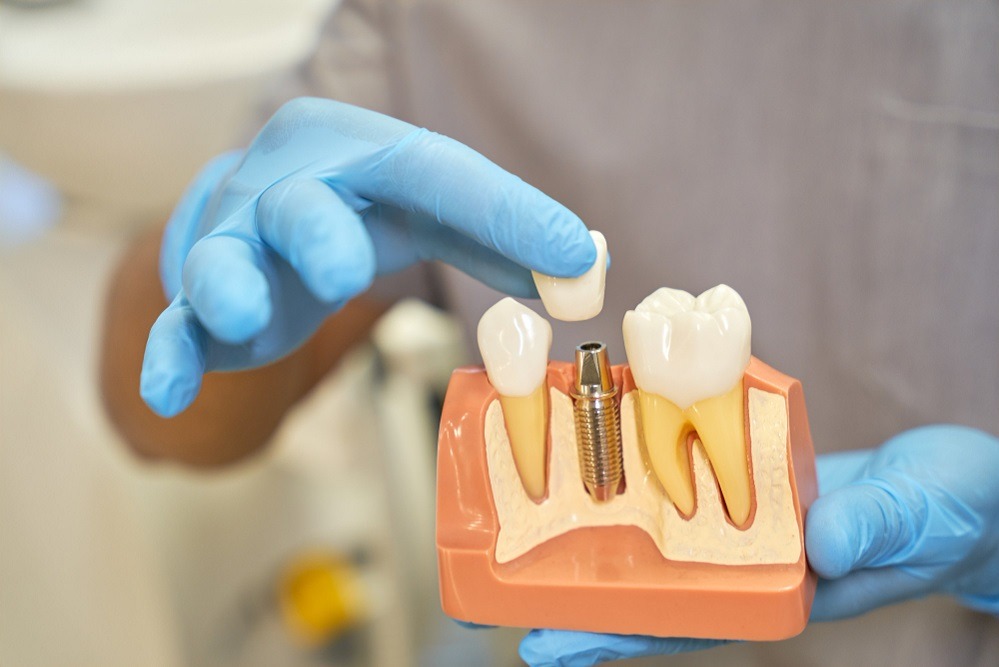
In the U.S., the price for a single dental implant can range widely from $3,500 to $5,000. This estimate includes the various components: the implant post, abutment, and crown, which cumulatively account for the robust nature of this tooth replacement method. However, geographic location is a crucial factor—metropolitan areas with higher living costs often translate to pricier dental services.
When breaking down the costs associated with dental implants against other tooth replacement options, consider the durability and long-term benefits they offer. Dental bridges, while effective, are placed at a lower price point, ranging from $1,000 to $3,000 but don't offer the same longevity. Dentures, though more affordable upfront with costs between $1,000 to $5,000 per set, often necessitate periodic adjustments or replacements, potentially accumulating higher long-term expenses.
| Category | Description | Cost Range in the U.S. | Key Considerations |
|---|---|---|---|
| Dental Implants | Permanent solution for tooth loss | $3,500 to $5,000 per implant | Durability, aesthetic appeal, and jawbone preservation |
| Dental Bridges | Traditional option for tooth replacement | $1,000 to $3,000 per unit | Cost-effective but less durable than implants |
| Dentures | Removable option for full or partial tooth loss | $1,000 to $5,000 per set | Affordable but may require frequent adjustments |
While dental implants require a higher initial financial outlay, their integrity and functionality can mitigate the need for future dental treatments, potentially making them more cost-effective over time.
Evaluating Cost Influencers
Several elements drive the total bill for dental implants. The dentist's expertise, materials used, and any additional procedures, such as bone grafting, can impact the cost. A critical aspect is that newer alternatives to traditional materials like titanium, such as zirconia implants, tend to cost slightly more, though they bring certain aesthetic advantages.
For those considering international options, the disparity in cost compared to domestic prices can be significant. In some countries where high-quality dental care is abundant yet more affordable, a single implant might range from $900 to $1,200. This disparity often results from differences in operational costs and currency valuations, rather than the quality of care.
Navigating Insurance and Financial Aid
Insurance plays a pivotal role in managing dental expenses, though it often presents a complex landscape. U.S. Medicare doesn't typically cover dental implants, necessitating reliance on private insurers or minimization plans. Some insurers provide partial funding, and it's crucial to investigate these options carefully.
Moreover, exploring payment plans can ease the financial burden. Many dental clinics collaborate with financing firms, allowing for staggered payments over time—a valuable approach for making implants attainable. Engaging in open dialogue with your dental professional about potential discounts or financial accommodations is always advisable.
Beyond Borders: Innovations in International Dental Implant Solutions
The rising interest in dental tourism offers an alternative path to affordable dental care. Beyond just cost savings, it opens up opportunities for accessing novel treatments and expert practices globally.
Delving into Dental Tourism
Dental tourism enables individuals to receive quality dental care abroad while benefiting from lower costs. Popular destinations are renowned for their exemplary dental services and reduced living costs, simplifying the pursuit of affordable dental care. This paradigm shift emphasizes that lower price doesn't equate to lower quality, as many international practices maintain adherence to high standards.
| Category | Description | Cost Range | Key Considerations |
|---|---|---|---|
| International Options | Traveling abroad for dental procedures | $900 to $1,200 per implant in Hungary | Cost savings but requires travel and additional planning |
Understanding the intricacies of dental tourism entails careful planning—verifying the qualifications of dentists, ensuring the clinic follows international hygiene standards, and aligning treatment plans efficiently through thorough pre-travel consultations.
Considerations for International Options
While the financial aspect of international dental care is appealing, comprehensive research into logistic and legal policies governing dental practices in chosen destinations is fundamental. It's equally important to secure medical travel insurance that encompasses dental emergencies, extending peace of mind throughout the treatment process.
Preliminary discussions with dental professionals before embarking on travel can illuminate potential risks and post-operative care specifics. For those considering multiple procedures or extended recovery times, additional logistical planning may be required, including accommodations for overall wellness.
The Benefits and Lasting Value of Permanent Dental Implants
Permanent dental implants not only address immediate functional needs but also offer enduring benefits that justify their initial financial outlay.
Why Consider Dental Implants?
Dental implants present an upfront expense but, as a long-term investment, they often supersede the cost element. Unlike dentures or bridges, implants don't necessitate frequent reevaluations or replacements, thereby minimizing future costs. Their permanent nature promises to withstand the test of time, making them a durable solution for tooth restoration.
Moreover, implants contribute significantly to oral health by not altering adjacent teeth and promoting bone growth—a pivotal aspect of maintaining facial structure and preventing further dental challenges. The direct integration with the jawbone, a process termed osseointegration, fortifies these implants, enabling them to function seamlessly like natural teeth.
Enhancing Daily Life Quality
Beyond oral health, dental implants substantially improve life quality. They restore functional confidence in chewing and mitigate speech impediments that dentures might cause. This tangible improvement extends to social interactions, bolstering self-esteem and encouraging more vibrant participation in everyday life activities.
With implants' firmly anchored nature conferring greater comfort, conventional issues linked with dentures, such as slippage and discomfort, become obsolete. The psychological uplift from a renewed smile, alongside practical benefits, underscores the holistic gains implants offer.
Expanding Accessibility: Making Dental Implants Reachable for All
Ensuring dental implants are accessible involves a multi-pronged approach—encompassing financing, preventative care, and leveraging community resources.
Financing and Community Resources
Financial strategies play a crucial role in making dental implants affordable. Flexible payment plans from dental offices permit cost distribution over time, while some clinics might offer in-house financing solutions tailored to patients' budgets.
Utilizing community resources, such as dental programs that cater to income-specific individuals, significantly enhances access. Additionally, dental training schools offering services at reduced rates under expert supervision provide cost-effective treatment options for those willing to explore them.
The Path of Preventative Care
Maintaining oral health through preventative measures reduces the likelihood of needing extensive treatments like implants. Regular dental check-ups and optimizing oral hygiene practices serve as key defenses against tooth decay, gum disease, and consequent tooth loss. Emphasizing a healthy diet, alongside regular professional cleanings, forms the backbone of a preventative care regimen.
Through a proactive engagement with oral health, long-term savings are realized by preserving natural teeth and mitigating the necessity of more complex procedures.
Future Innovations and Accessibility in Dental Care
As research and development unfold, the landscape of dental care is evolving rapidly. These advancements offer hope for broader access and more efficient delivery of dental services.
Precision and Personalized Dentistry
Emerging technologies, including genetic insights and personalized treatment protocols, are refining the way dental care is approached. By embracing precision dentistry, the integration rates of implants are expected to improve, reducing complications and optimizing outcomes.
Technological Advancements
Innovation in implant materials, along with improved imaging and surgical planning, is making implant procedures more predictable and effective. Such enhancements broaden the scope for candidates who were previously limited by a lack of suitable options or underlying medical conditions.
Anesthesiology and Recovery
Advancements in anesthesiology and perioperative care are streamlining procedures and enhancing patient experiences. By elevating comfort and reducing recovery times, the appeal of dental implants is extended to wider demographics, encouraging more individuals to consider them as viable solutions.
In conclusion, dental implants represent a significant leap in restorative dentistry, combining functionality and aesthetics with enduring results. Embracing innovative treatments and informed decision-making sets the course for accessible implant solutions, ultimately crafting a path to healthier smiles at any age.
Q&A
-
What are affordable dental implants and how do they differ from traditional implants?
Affordable dental implants refer to dental implant solutions that aim to reduce the overall cost while maintaining quality. They may utilize cost-effective materials or streamlined procedures that make them more accessible without compromising the effectiveness or durability of the implants. Unlike traditional implants, which might use premium materials or involve more complex procedures, affordable options focus on providing essential functions at a lower price point.
-
Are dental implants suitable for seniors, and what should they consider before getting them?
Yes, dental implants are suitable for seniors and can significantly improve their quality of life by enhancing chewing ability and aesthetics. Seniors should consider their overall health, bone density, and any existing medical conditions before proceeding. A thorough evaluation by a dental professional is crucial to determine if they are good candidates for implants.
-
How do dental implant prices vary, and what factors influence the cost?
Dental implant prices can vary widely depending on several factors, including the type of implant, the materials used, the dentist's experience, the location of the dental practice, and additional procedures that might be necessary (such as bone grafting). On average, prices can range from $1,000 to $4,000 per implant, but this can increase with more complex cases.
-
Is it possible to find $150 dental implants, and what should potential patients be cautious about?
While $150 dental implants might be advertised, it's essential to be cautious as this price often does not cover the entire procedure. It might only include specific parts of the treatment, such as the initial consultation or the implant fixture itself. Patients should inquire about the full costs involved, including surgery, abutment, and crown, to avoid unexpected expenses.
-
What is the cost of permanent dental implants, and how does it compare to other tooth replacement options?
The cost of permanent dental implants typically ranges from $3,000 to $5,000 per implant, including the post, abutment, and crown. While this is generally higher than other tooth replacement options like dentures or bridges, implants offer a more durable and natural-looking solution. The long-term benefits and lower maintenance costs often justify the initial investment for many patients.
References:
- https://sanidentalgroup.com/blog/3-on-6-dental-implants-vs-all-on-4
- https://smile4evermexico.com/all-on-4-dental-implants-in-mexico-6998usd/
- https://www.goodrx.com/health-topic/procedures/dental-implant-cost
- https://www.dentavacation.com/all-on-4-implants-in-mexico/
- https://www.goldcoastdental.com/blog/what-is-a-dental-implant-procedure-benefits-care-cost