
Affordable Smiles: Navigating Dental Care for Every Generation
In a world where oral health can be a significant financial concern, the quest for accessible and budget-friendly solutions transcends generations. From infants to seniors, finding quality care without the burden of insurance constraints offers a lifeline in improving life’s simplest but most cherished moments—a genuine smile.
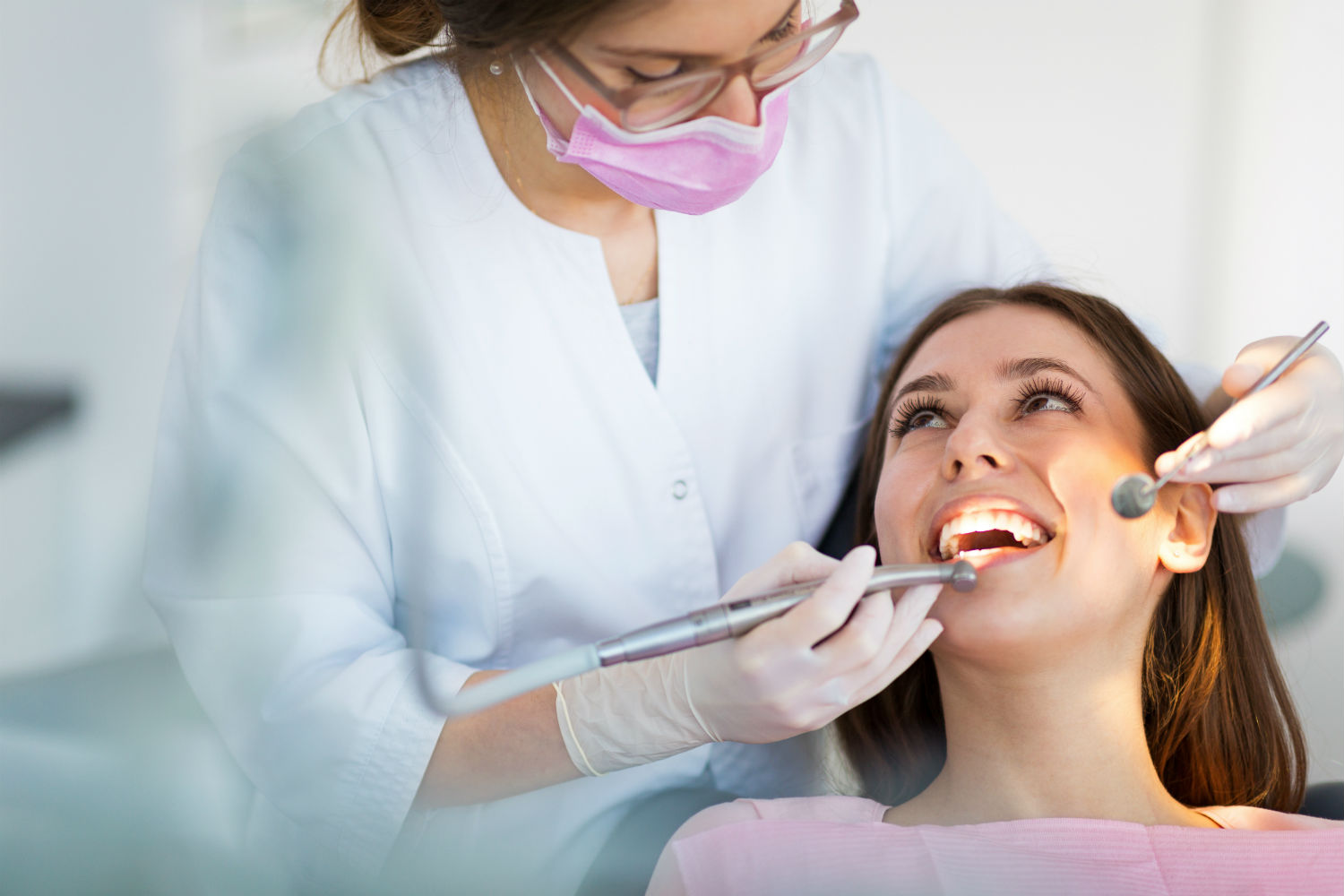
The Quest for Healthier Smiles Through the Years
Caring for our oral health is a lifelong commitment that begins in childhood and continues into our senior years. Different stages of life bring diverse dental needs, requiring varied approaches to ensuring accessible and high-quality oral care for everyone.
Children and Adolescents: Building Foundations
Early dental care is crucial for children to prevent cavities and establish lifelong healthy habits. Various programs strive to offer accessible dental care for uninsured or underinsured young individuals. This often involves mobile dental units that visit schools and community centers, providing both preventative and restorative services in convenient settings.
These programs target children in underserved communities, helping prevent dental issues that could have long-term effects. Such initiatives are invaluable in reducing the occurrence of dental problems and ensuring that every child can enjoy good oral health. By focusing on early education, these programs aim to cultivate a generation that prioritizes dental care from the outset.
Adults: Preventive Measures and Maintenance
For adults, maintaining oral health means addressing issues such as gum disease and potential tooth loss. Despite having employer-sponsored health coverage that might include dental benefits, the associated costs can still be burdensome. Hence, exploring cost-effective resources like community dental clinics or taking advantage of the services offered by dental schools at reduced rates can be beneficial.
These community resources often provide comprehensive services at more affordable prices. Dental schools, where students work under expert supervision, are invaluable, allowing for effective treatment at a fraction of regular fees. This approach not only supports adult oral health but also serves to alleviate financial pressures, making dental care more reachable.
Seniors: Overcoming Age-Related Dental Challenges
As we age, dental issues like tooth decay and gum recession become more prevalent. Many seniors, particularly those on fixed incomes, find the cost of dental care prohibitive. By exploring options such as tailored Medicare Advantage plans or community-based assistance programs, they can receive necessary care without financial strain.
Recent statistics suggest that among individuals without disabilities, 77% report good or excellent oral health, while only 62% of those with disabilities share this status. This highlights a disparity in dental health outcomes, emphasizing the need for targeted support to bridge these gaps.
Embracing Technology for Better Accessibility
The rise of technology is transforming how dental care is delivered, with innovations designed to bridge gaps in accessibility, cost, and quality of care. These advancements show promise in making dental services more efficient and reachable for everyone.
The Advent of Teledentistry
Teledentistry is gaining traction as a method to deliver dental care more evenly and affordably. By enabling remote consultations, it makes regular dental advice available, even in rural areas where physical access to care might be limited. This reduces logistical barriers and provides timely professional insights.
Through technology, professional guidance on preventative care and monitoring can happen without needing a dental office visit, thus saving time and resources. This evolution in healthcare delivery is particularly advantageous for those who face physical mobility challenges.
Artificial Intelligence: Revolutionizing Oral Care
The integration of artificial intelligence (AI) within dental practices enhances the speed and precision of diagnoses. AI tools can process imaging data rapidly, providing dental professionals with insights that facilitate quick, accurate treatment decisions, ultimately improving patient outcomes.
The efficiency offered by AI not only speeds up diagnostic processes but also enhances patient experiences by reducing uncertainty. This technological shift promises to refine the quality and delivery of dental care comprehensively.
Finding Local and Cost-Effective Solutions
Affordable dental services can often be closer than we think. Access to cost-effective care can be found within communities, removing the need for extensive travel or substantial financial output.
Community Clinics and Dental Schools
Community dental clinics and dental schools are pivotal in delivering cost-effective dental care. These establishments focus on providing necessary services at reduced rates to underserved populations.
Community clinics function on a sliding fee scale, based on individual financial situations, ensuring broader access to essential services. Similarly, dental schools provide an affordable alternative, as services performed by students under supervision offer attractive pricing while maintaining high standards of care.
Government and Non-Profit Initiatives
Various state and local government programs offer financial assistance or reduced-cost dental services, ensuring that every demographic can access the care they need. Non-profit organizations also play a crucial role, supporting dental health through educational outreach and advocacy, thereby leveling the playing field for underserved populations.
These initiatives pave the way for comprehensive access to dental services, supporting community well-being by lowering barriers related to cost and access.
Bridging the Insurance Gap
Navigating dental care without insurance might seem daunting, yet several strategies mitigate these challenges, ensuring that oral health services remain within everyone's reach.
Flexible Payment Strategies
Dental offices frequently offer payment plans that enable patients to pay over time. Such arrangements ease the financial burden, allowing patients to manage expenses effectively without sacrificing necessary care.
Exploring discount dental plans is another pathway, providing access to networks of dentists with negotiated rates, effectively reducing overall treatment costs. Being proactive in discussing finances with your dental care provider can uncover additional avenues for lower-cost options.
Engaging in Preventive Care
Focusing on preventive care reduces the likelihood of costly treatments down the line. Regular cleanings, good oral hygiene, and consistent check-ups are essential in managing long-term dental health and curbing unforeseen expenses.
By prioritizing preventive measures, individuals take a long-term approach to well-being, reducing the onset of severe dental issues and promoting a healthier future.
In summary, the landscape of dental care is evolving with numerous options available to make it accessible and affordable. Whether through community resources, technological innovations, or preventive strategies, there are practical steps everyone can take towards maintaining their oral health without financial strain.
Q&A
-
What should I consider when looking for a dentist for all ages in the United States?
When searching for a dentist for all ages, it's important to consider their experience with different age groups, including children, adults, and seniors. Check for family-friendly practices that offer a comprehensive range of services, such as preventive care, orthodontics, and geriatric dentistry. Look for practices with flexible hours and positive reviews from other families in your community.
-
How can I find a reliable dental service near me in the United States?
To find a reliable dental service near you, start by searching online directories or using map services that highlight local dental offices. Pay attention to reviews and ratings from other patients. Additionally, consider seeking recommendations from friends, family, or your primary care physician. It's also helpful to verify that the dental office is accredited and that the dentists are licensed.
-
What options are available for dental care close to home if I have no insurance?
If you don't have insurance, there are several options for obtaining dental care close to home. Many dental schools offer reduced-cost services provided by supervised students. Community health clinics often provide affordable dental care on a sliding scale based on income. Additionally, some dentists offer payment plans or membership programs that can reduce costs.
-
Are there affordable options for full mouth implants in the United States?
Yes, there are affordable options for full mouth implants in the United States. Some dental practices offer financing plans to make the cost of implants more manageable. Dental schools may provide implant services at a lower cost as part of their training programs. It's important to consult with multiple providers to compare costs and payment options.
-
Is it possible to access US dental services without insurance, and what should I expect?
Yes, it is possible to access US dental services without insurance. Many dental practices offer cash discounts or payment plans for uninsured patients. Community health centers and non-profit organizations often provide dental care at reduced rates. While visiting these facilities, you can expect quality care, but it's advisable to inquire about all potential costs upfront to avoid unexpected expenses.