
Elevating Brand Presence Through Strategic MBA Marketing
Modern enterprises are transforming their market presence through cutting-edge educational programs. Forward-thinking curricula equip professionals with the knowledge to craft ingenious strategies, seamlessly intertwining technology and innovative concepts to embark on dynamic industry pathways. Their expertise reshapes the landscape of how companies reach and exceed market expectations.
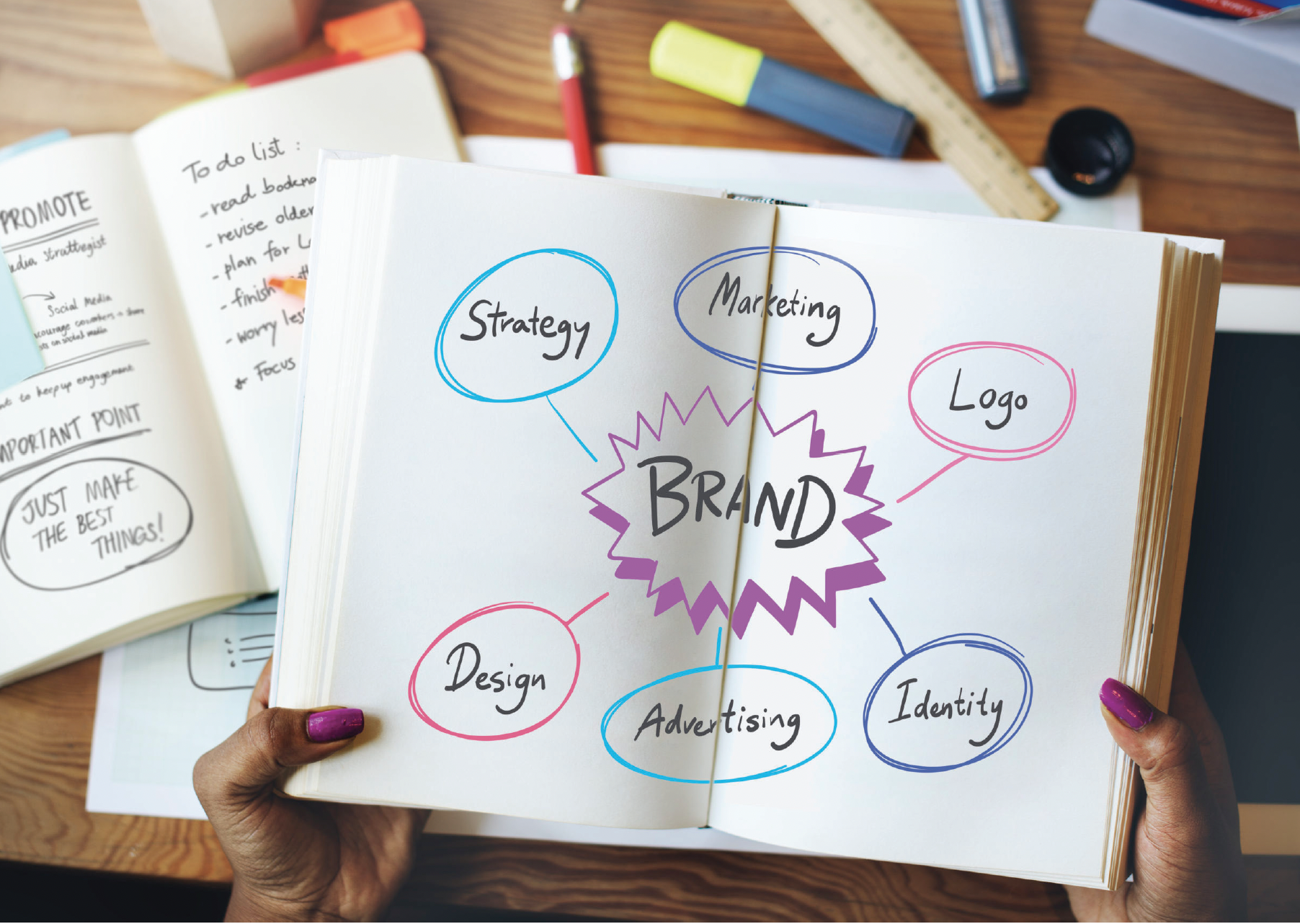
Bridging Innovation and Digital Marketing in Product Promotion
The Digital Commerce Surge and Consumer Behavior
The transition to digital platforms has transformed commerce, driving a shift in consumer behavior. Traditional advertising is losing its grip, especially among younger audiences who crave authenticity and connection rather than polished pitches. Think of how influencers you follow sway your purchasing decisions with genuine recommendations. This shift is more than just a trend; it's a rebirth of how we relate to commercial entities.
Unveiling Modern Marketing's Evolution: From Classroom to Boardroom
The Power of AI in Understanding Consumers
Artificial intelligence (AI) has become indispensable in unlocking consumer insights, not just by organizing vast datasets, but by predicting future behaviors. This shift marks a departure from relying solely on demographic targeting, empowering businesses to make data-driven decisions grounded in advanced analytics.
Personalizing the Shopping Experience with AI
AI is revolutionizing shopping by tailoring experiences down to individual preferences, particularly in sectors like e-commerce. Picture an AI chatbot capable of suggesting products based on your unique taste, answering your queries instantly, and aligning perfectly with what you're looking for. Such personalized guidance enhances the buying journey, leaving customers satisfied and reducing frustrations typically associated with online shopping.
Social Commerce and Rapid Delivery Expectations
Social commerce is gaining momentum as a crucial component of modern marketing strategies. As consumers increasingly depend on social platforms for shopping, businesses must adapt by integrating these channels into their promotional strategies effectively.
Tech-Driven Strategies: Innovating Beyond the Traditional Marketing Playbook
AI-Powered Personalization and Automation
The marketing realm is dynamically shifting from generic approaches to personalized, AI-driven strategies. AI enables businesses to craft unique messages that resonate with customers on a personal level, enhancing both engagement and conversion rates. This marks a departure from traditional campaigns towards a more tailored approach capable of adapting in real-time to consumer behaviors.
Generative AI and the Future of Content Creation
Generative AI has emerged as a powerful ally in content creation, elevating the quality and speed of marketing material development. Imagine having a virtual assistant that not only drafts compelling blog posts or creates engaging ads but also does so at unprecedented scales and speeds. This democratization of content creation allows even small teams to compete with industry giants, thanks to AI automation and augmented reality integration.
Organizations are rapidly moving beyond traditional boundaries, blending creative ingenuity with technological prowess. This synergy facilitates immersive customer experiences, paring down on human workload while scaling out innovative solutions. As MBA teachings marry with technology, they equip graduates with the skills to innovate and stay ahead in this ever-evolving landscape.
Integrated Marketing and Data-Driven Insights
Integrated marketing ties together creative engagements and operational capabilities, ensuring that campaigns don't just attract attention but also align with business readiness. This cohesive approach sees marketing messages seamlessly synchronized across all consumer touchpoints, from digital platforms to physical storefronts.
AI-driven analytics play a pivotal role here. They provide actionable insights derived from customer behavior and market trends, empowering companies to make informed decisions that enhance both product availability and consumer experience. By understanding and anticipating customer needs, businesses can remain agile, positioning MBA professionals to lead with precision.
Data and AI in Marketing: Harnessing Digital Tools for Competitive Edge
The Power of AI in Data-Driven Marketing
AI has transformed data processing into a cornerstone of competitive marketing strategies, allowing companies to grasp customer preferences and forecast market trends. AI algorithms sift through broader data pools, extracting insights that refine marketing tactics.
This analytical prowess extends to predictive capabilities that forecast sales and demand patterns. By wielding these insights, marketers can preemptively pivot strategies to address potential market shifts, ensuring their products and messaging resonate with consumer expectations. This transformation, from reactive to proactive marketing strategies, is a direct application of MBA concepts into actionable business plans.
Personalization at Scale and Enhanced Customer Engagement
The cornerstone of effective marketing in the AI age is personalization. Leveraging AI, companies craft messages that appeal directly to individual customer preferences, fostering deeper engagement and improving conversion odds.
AI facilitates scalable personalization in diverse scenarios, from recommending tailored products based on previous purchases to dynamically altering ad creatives in response to real-time data. The transition from generic messages to individually crafted experiences culminates in stronger customer relationships, leading to increased brand loyalty and market share.
AI-Driven Optimization of Marketing Campaigns
AI's ability to optimize marketing campaigns in real-time offers a distinct advantage. By continually analyzing performance data, AI algorithms make on-the-fly adjustments, ensuring that marketing efforts align precisely with current consumer behaviors and preferences.
This continuous optimization ensures that marketing expenditures are maximized, delivering ROI improvements unattainable in a pre-AI era. This capability is not just an enhancement but a redefinition of how marketing efforts are executed, providing MBA professionals with innovative ways to drive business growth and engagement.
From Ideas to Impact: Crafting Memorable Brand Journeys
The Power of Nostalgia
Nostalgia in marketing plays a vital role in connecting brands with consumers emotionally. Reviving products or designs from past eras can reignite consumers' memories of simpler times, reinforcing brand loyalty through sentimental connections.
Additionally, integrating pop culture references into campaigns enhances relatability and engagement, appealing to shared cultural experiences. These strategies transform marketing efforts from superficial initiatives to emotionally resonant journeys, solidifying brand identity within consumer narratives, allowing MBA principles to flourish in vibrant new ways.
Immersive and Emotional Experiences
Creating transformative experiences that engage consumers is both an art and a science. Brands are moving beyond transactional interactions, instead developing memorable journeys that blend digital innovation with emotional storytelling.
This engagement can take many forms, such as guerrilla marketing strategies or augmented reality integrations that enhance consumer relationships with the brand. These initiatives provide fertile ground for MBA graduates to apply knowledge in creating viral, shareable content that resonates deeply with audiences, turning passive observers into active participants in the brand narrative.
Brand-Led Innovation and Storytelling
Forward-thinking marketing is about crafting and weaving rich, coherent storylines into every aspect of consumer interaction. MBA professionals are encouraged to understand their audiences deeply, developing products and campaigns that reflect consumer values and aspirations.
By aligning brand identity with storytelling efforts, companies can create powerful, cohesive narratives that engage consumers across multiple platforms. This approach not only builds brand equity but ensures that messaging remains impactful and culturally relevant, illustrating the fusion of strategic planning and creative execution.
Question and Answer
-
What are the key strategies in MBA product marketing for effective online brand promotion?
Effective online brand promotion in MBA product marketing involves several strategic approaches. Firstly, leveraging digital platforms for targeted advertising is crucial. This includes using social media and search engine marketing to reach specific demographics. Secondly, integrating data analytics and AI can enhance personalization, ensuring that marketing messages resonate with individual consumer preferences. Additionally, employing influencer marketing can amplify brand presence by tapping into established audiences who trust the recommendations of these influencers. Lastly, developing a strong brand narrative that communicates the brand's values and differentiators can foster deeper connections with consumers.
-
How can businesses effectively use promotional products to promote their brand online?
Promotional products can be an effective tool for online brand promotion by serving as tangible reminders of a brand's presence. Businesses can integrate promotional products into their digital marketing strategies by offering them as incentives for engaging in online activities, such as signing up for newsletters or participating in social media contests. This not only increases brand visibility but also enhances customer engagement. Furthermore, incorporating branded merchandise in influencer partnerships can extend reach, as influencers can showcase these products to their followers, creating authentic brand experiences.
-
In what ways can AI and data analytics enhance online product promotion efforts?
AI and data analytics play a pivotal role in enhancing online product promotion by enabling more precise targeting and personalization. AI algorithms can analyze consumer behavior and preferences to deliver tailored marketing messages that are more likely to convert. This includes personalized product recommendations and dynamic content that adapts to individual user interactions. Data analytics provide insights into market trends and consumer sentiment, allowing businesses to refine their promotional strategies in real-time. Additionally, AI-powered chatbots can engage with customers directly on websites and social media, providing personalized assistance and driving conversions.
-
What is the significance of social commerce in modern online product promotion?
Social commerce is increasingly significant in modern online product promotion as it merges social media engagement with seamless shopping experiences. By integrating e-commerce capabilities directly into social media platforms, businesses can facilitate instant purchases, reducing friction in the consumer journey. This approach caters to the growing preference for convenience among consumers, particularly younger demographics who spend significant time on social platforms. Social commerce also enables brands to leverage user-generated content and influencer partnerships, creating authentic and relatable promotional content that resonates with audiences.