
Designing Small Spaces: The Art of Soaker Tubs and Showers
Reimagining cramped and outdated washrooms involves blending sophistication with practicality. Modern design embraces the union of serene soaking experiences and refreshing showers within petite spaces. Emphasizing both comfort and style can elevate any cramped area into a luxurious escape without sacrificing essential functionality.
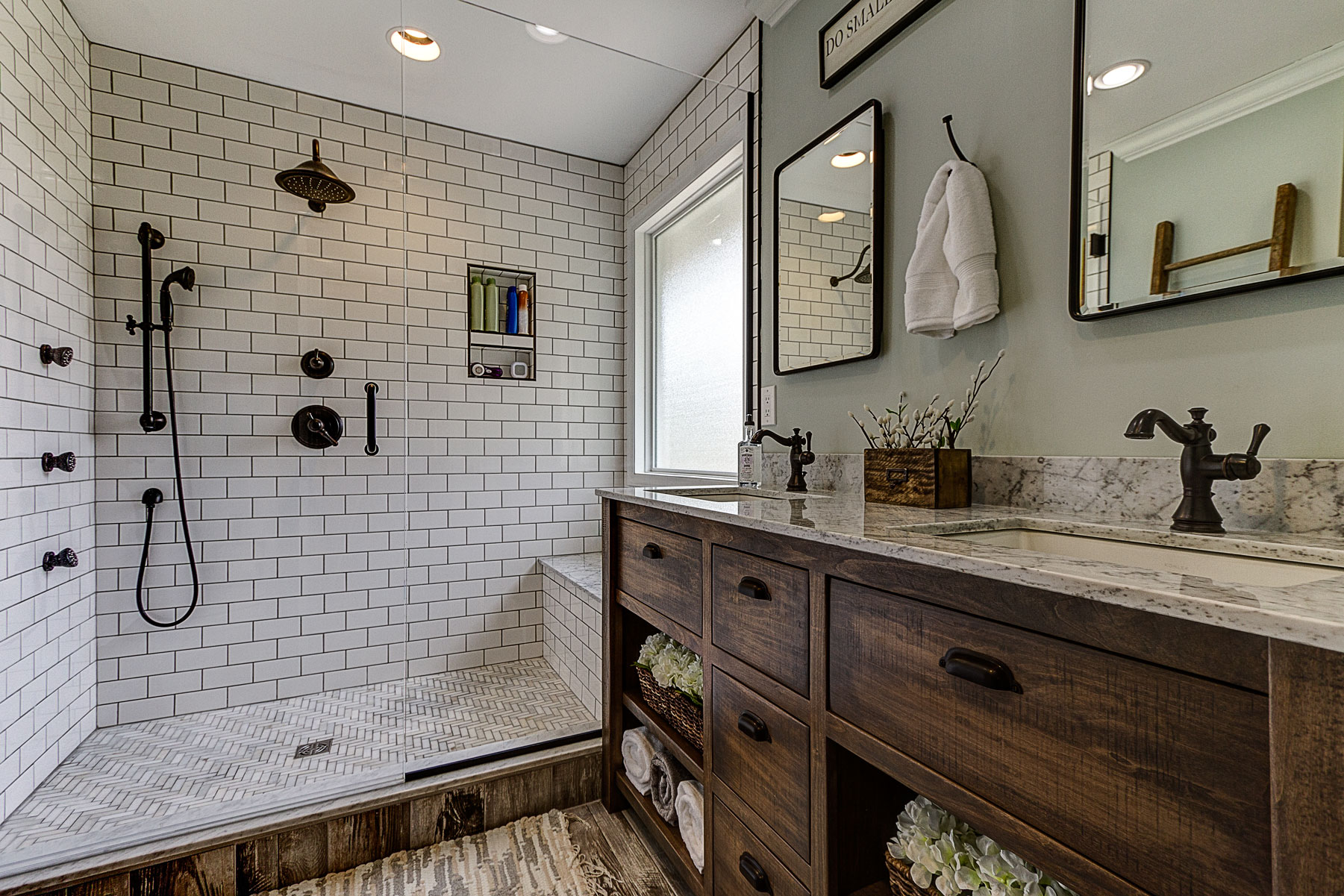
Mastering Small Bathroom Design
Designing a small bathroom is about maximizing space and creating a sense of spaciousness. This involves strategic planning in layout, fixtures, and storage solutions to enhance functionality and style.
Embrace Verticality and Storage
Think vertically when optimizing small bathrooms. Utilizing wall space effectively can transform small areas.
- Wall-mounted Vanities and Toilets: Free floor space with wall-mounted fixtures, promoting an open and easily maintained environment.
- Recessed Shelving: Integrate storage into walls to eliminate bulk, creating sleek storage solutions.
- Floating Shelves: Install these over toilets or beside vanities for additional storage of essentials without causing clutter.
Enhance Light and Reflectivity
Lighting plays a crucial role in making a small bathroom feel open and inviting.
- Large Mirrors: Place mirrors to reflect light and enhance depth, creating an expansive feel.
- Light Color Palettes: Opt for whites and neutrals for surfaces to reflect light, adding brightness.
- Glass Shower Enclosures: Clear glass maintains visibility and openness, enhancing the space perception.
Select Compact and Multifunctional Fixtures
The choice of fixtures can significantly influence the functionality of a small bathroom.
- Corner Sinks and Sliding Doors: Utilize corner spaces and opt for sliding or pocket doors to maximize accessibility and flow.
- Compact Tubs and Showers: Find fixtures specific to smaller interiors, such as combined units or miniaturized versions.
- Multifunctional Furniture: Incorporate storage-integrated vanities and versatile benches to conserve space and enhance utility.
Unveiling Harmonious Soaker Tubs and Showers
Combining the luxury of soaking tubs with the practicality of showers caters to both relaxation and daily hygiene needs within limited space.
Space-Saving Soaker Tubs
Discover smaller soaking tubs ideal for compact areas, allowing for a full bathing experience without a large footprint.
- Compact Designs: Opt for Japanese-style or freestanding tubs that are deep yet require less floor space.
- Shape and Size Considerations: Oval or rectangular designs often integrate neatly into small bathroom layouts.
- Efficient Use of Space: Corner tubs effectively utilize areas that might otherwise go to waste.
Shower Solutions for Limited Space
Maximize every inch without compromising on the shower experience.
- Walk-in Showers and Glass Screens: Create openness with walk-in designs and clear screens for a modern aesthetic.
- Wet Room Concepts: Fully waterproof your bathroom floor, sloping it slightly toward a drain to eliminate the need for traditional enclosures.
Integrating Showers and Tubs
Create a dual-purpose area by combining features, an excellent solution for space constraints.
- Shower-Tub Combos: A showerhead over the tub allows dual functionality within one footprint.
- Splash Protection: Use glass screens or flexible shower curtains to manage water effectively while defining the space aesthetically.
Space Maximization in Tiny Bath Retreats
Effective use of every inch is key in transforming a small bath area into a functional retreat.
Wall-Mounted Solutions and Cabinetry
Enhance floor space with innovative furniture arrangements and vertical storage strategies.
- Efficiency in Fixtures: Employ wall-hung toilets and vanities for a more open feeling.
- Vertical Storage: Utilize tall cabinets and shelves to maintain order without encroaching on floor area.
Smart Storage Practices
Utilize the nontraditional storage spaces through clever design.
- In-Built Niches: Incorporate indents within shower walls for easy access to bath products without bulky shelving.
- Mirrored Cabinets: Install medicine cabinets with mirrors, adding utility while serving dual purposes.
- Under-Sink Space: Organize the area beneath the sink with shelves and organizers for optimal usability.
Shower Optimizations
Practical approaches within the shower can impact the entire bathroom’s spatial dynamics.
- Rods and Towel Solutions: Tension rods add functionality where needed for hanging purposes.
- Microfiber Efficiency: Choose quick-drying towel materials mounted strategically.
By creatively integrating various elements, a small bathroom can appear more vast and serve as a relaxing yet practical space.
Design Flexibility and Lighting Considerations
Tailor layout and light systems to augment the feel of space in compact bathrooms.
- Layered Light Setup: Ensure multiple light sources to avoid shadows and enhance bathroom brightness.
- Custom Cabinets: Fit storage to dimensions for a blend of functionality and design harmony.
With intentional planning, even small bathrooms can become luxurious havens, balancing the demands of modern living with the indulgence of spa-like retreats.
Space-Savvy Bathrooms: Avoiding Common Remodeling Pitfalls
Remodeling a small bathroom offers the chance to create a beautiful, efficient space. Yet, this process is fraught with potential pitfalls. Let’s examine how to avoid common mistakes.
Effective Space Planning and Layout
Proper layout is crucial for maximizing utility in small bathrooms.
- Avoid Oversized Fixtures: Choose sizes and types of fixtures carefully. Opt for compact designs that complement the room dimensions.
- Plan Efficiently: Accurate measurements ensure spatial flow and accessibility are preserved. Consider element interaction to avoid crowding.
- Vertical Utilization: Employ vertical space for storage, allowing the floor to remain free for movement.
Ventilation and Waterproofing
Failing to address moisture control can lead to disaster.
- Adequate Ventilation: Ensure proper airflow with effective exhaust systems to prevent damper conditions and mold growth.
- Waterproofing Measures: Use suitable materials and sealing techniques to avert water damage.
Storage and Lighting Enhancements
Avoid the pitfalls of scant storage and improper lighting.
- Sufficient Storage: Design for ample storage with strategic placements, avoiding clutter.
- Effective Lighting Design: Implement layered lighting solutions to brighten the room and highlight features.
Proactively addressing these areas ensures a small bathroom makeover is successful, minimizing stress and maximizing style and functionality.
Question and Answer
-
What are some effective design strategies for integrating a soaker tub and shower in a small bathroom?
When incorporating a soaker tub and shower in a small bathroom, it’s crucial to prioritize space-saving solutions and multifunctional designs. Opt for a compact soaker tub, such as a Japanese-style tub, which is shorter but deeper, allowing for a luxurious soak without consuming too much space. Consider a combined shower-tub unit to maximize functionality. Use a glass shower screen to maintain an open feel and enhance light flow. Additionally, choose a corner tub to utilize otherwise unused space effectively.
-
How can a bathroom remodel be completed efficiently in just one day, particularly in a city setting?
Completing a bathroom remodel in one day, especially in a bustling city, requires meticulous planning and pre-preparation. Engage with services like "1 Day Bath" that specialize in rapid remodels. These services typically pre-fabricate key components such as shower liners or tub replacements, allowing for quick installation. Ensure all necessary permits and approvals are secured beforehand. Have a clear layout and design plan ready, and choose materials that are easy to install, like prefabricated wall panels and snap-in-place flooring.
-
What are some innovative bathroom remodel ideas that incorporate a walk-in tub and shower for enhanced accessibility?
To combine a walk-in tub and shower for improved accessibility, start by selecting a walk-in tub that offers a low threshold for easy entry. Pair it with a curbless shower design to facilitate seamless movement between the two. Install grab bars strategically near the tub and shower for added safety. Consider a handheld showerhead for flexibility and ease of use. Non-slip flooring is essential to prevent accidents, and adequate lighting is crucial for visibility. These features not only enhance accessibility but also add to the overall aesthetic appeal.
-
What are the benefits of converting a bathtub to a shower for elderly users, and how can it be done safely?
Converting a bathtub to a shower for elderly users enhances safety and accessibility. Walk-in showers eliminate the need to step over high tub edges, reducing fall risk. To execute a safe conversion, install a non-slip shower base and add grab bars for stability. Consider a fold-down shower seat for comfort and convenience. Ensure the shower controls are easy to reach and use, perhaps opting for lever-style handles. A handheld showerhead can provide greater control and ease during use, and a thermostatic valve can prevent scalding by maintaining a consistent water temperature.
-
What are the advantages of using drop-in bathtubs for small spaces, and what should be considered during installation?
Drop-in bathtubs are ideal for small spaces as they can be customized to fit specific dimensions and layouts. They offer a sleek, integrated look and can be surrounded by storage solutions or decorative tiling to maximize the use of available space. When installing a drop-in bathtub, consider the plumbing and drainage needs, ensuring there is adequate access for maintenance. The surround should be made from water-resistant materials to prevent damage. Additionally, think about incorporating recessed shelving into the surround for convenient storage of bath essentials.