
Creating Fashion Impact: Your Journey to a Personal Clothing Line
Imagining a world where your creativity sets trends requires not just a vision, but strategic foresight and commitment. Embarking on this entrepreneurial journey means transforming visionary ideas into tangible success through thoughtful planning, understanding your audience, and integrating innovative marketing strategies within the ever-evolving landscape of fashion.
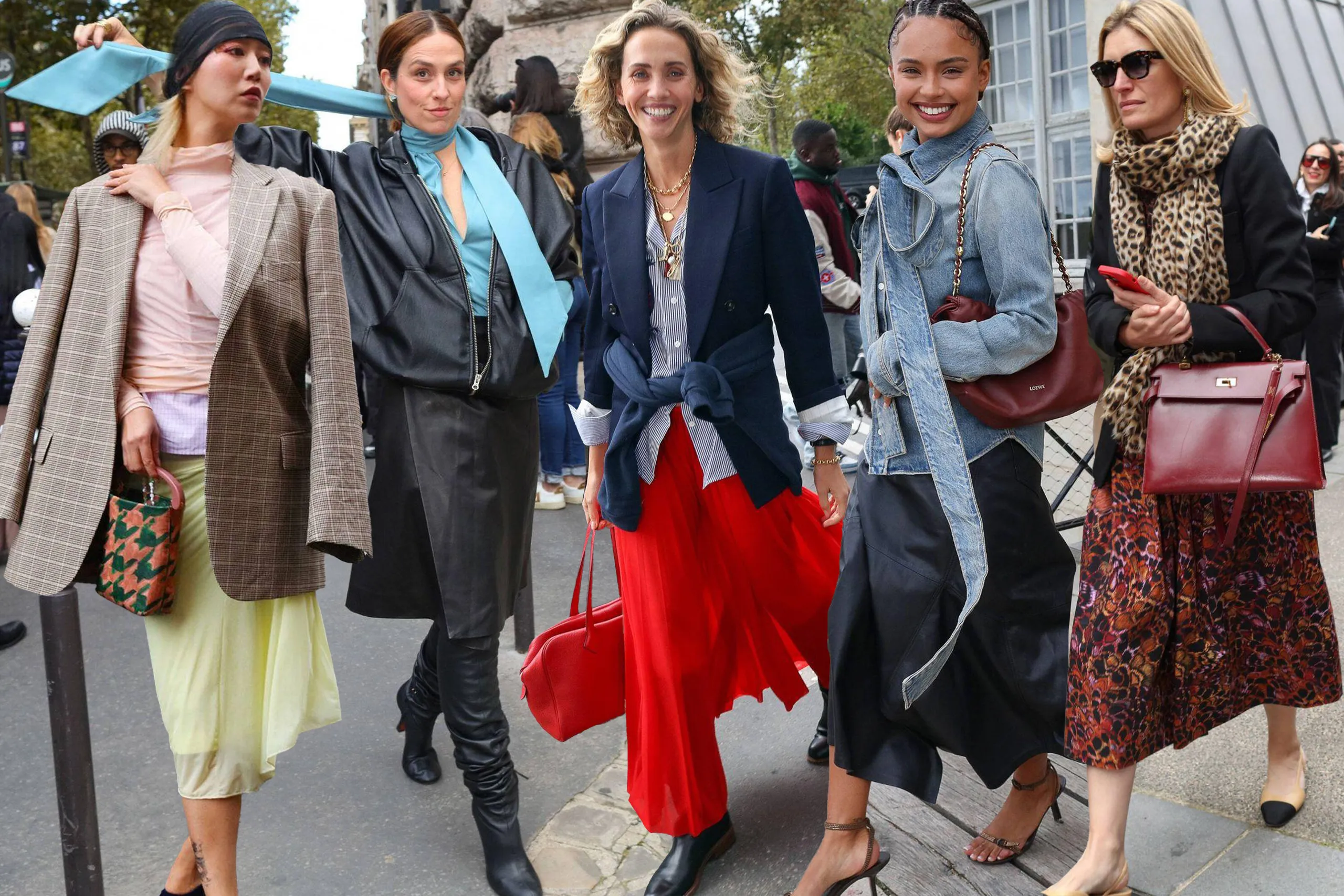
Finding Your Unique Fashion Voice: Niche and Brand Identity
Launching a clothing brand begins with understanding who you are as a designer and identifying your place in the market. This critical foundation not only fuels your creative vision but also guides your business strategy.
Discovering and Defining Your Niche
Selecting a niche involves delving into both the personal and market-driven factors that will define your brand. It's crucial to focus on market specifics such as UK and US demographics, which can vary significantly in terms of consumer behavior and preference.
- Passion and Market Needs: First, consider your passion – the clothing style or concept that truly excites you. Align this with consumer needs by identifying gaps in the current market. For example, assessing the demand for sustainable fashion or unique style variations like modern retro can be pivotal.
- Target Audience Insight: Thorough market research is essential. Understanding cultural values and specific consumer preferences helps in crafting an identity that resonates. In the UK and US, there's a prominent demand for brands that reflect individuality and sustainability, which could guide your brand positioning.
- Emotional Connection through Storytelling: Craft a compelling brand narrative that conveys your values and journey in fashion. This story will help connect emotionally with your audience, enhancing your brand's relatability and appeal.
Brand Identity Development
Your brand identity encompasses more than just aesthetics; it includes how you want your audience to perceive and experience your brand.
- Creating a Visual Identity: Establish a distinct look through logos, color schemes, and typography that reflect your brand’s ethos. Ensure consistency across all platforms – from your business cards to your website design.
- Defining Brand Voice: Decide on a communication style that matches your brand's personality, whether it's eloquent and sophisticated or casual and friendly. This voice should be consistent in all brand interactions, from social media posts to marketing campaigns.
- Authenticity and Values: Remain authentic. Share your brand values clearly, as consumers, particularly in the UK and US, appreciate transparency and align with brands that share their beliefs. This transparency builds trust and strengthens your market position.
Digital Dominance: Leveraging E-commerce Platforms
In the modern fashion landscape, a robust online presence is non-negotiable. Selecting the right e-commerce strategy is crucial for reaching and engaging with your target audience effectively.
Strategic Platform Selection
Choosing the right platform sets the stage for efficient operations and growth. It's important to evaluate your brand's specific needs against the features offered by different platforms.
- Platform Evaluation: Consider factors such as scalability, user interface, and integrations. Shopify is a popular choice for its ease of use and extensive app ecosystem, making it ideal for startups looking to establish quickly. However, brands anticipating rapid growth should assess platforms like WooCommerce for greater customizability.
- Resource Allocation: Understand the long-term costs associated with each platform. Choose a service that aligns with your financial projections and technical capabilities to avoid the pitfalls of switching platforms later on.
- Localized Considerations: Embrace regional e-commerce nuances. For UK and US markets, understanding local consumer behavior, payment preferences, and logistical challenges is essential in optimizing platform choice and setup.
Embracing Omnichannel Presence
With customers shopping across multiple platforms, maintaining a consistent brand experience through an omnichannel approach is vital.
- Retail Integration: Ensure your brand is accessible across various digital and physical platforms, such as your website, Amazon, or local boutique setups. This strategy enhances visibility and accessibility.
- Social Commerce: Harness the power of social media platforms like Instagram Checkout and TikTok Shop for showcasing products and facilitating impulse buys. Social commerce continues to be a potent force in influencing purchase decisions.
- Consistency in Experience: Strive for seamless customer experiences. Technologies such as AR for virtual try-ons are becoming standard expectations, offering interactive ways for customers to engage with your brand digitally.
Scaling Success: Growing and Sustaining Your Brand
As your clothing brand gains traction, the focus shifts to growth and sustainability, ensuring long-term brand viability and relevance in the market.
Brand Positioning and Targeting
Establishing the right position in the market is about honing in on a specific segment that aligns with your brand’s unique offering.
- Refining Market Position: Define what sets your brand apart – be it through design innovation, sustainable practices, or cultural relevance. This positioning should be reflected in your marketing messages and outreach.
- Customer Experience Prioritization: Create an exceptional experience, both online and offline, to enhance customer satisfaction and brand loyalty. Personalization aspects can significantly impact repeat business and word-of-mouth referral.
- Inclusive Strategies: Embrace inclusivity in your design and marketing practices. Offer a diverse range of sizes and styles, and ensure your brand messaging is inclusive and representative of varied demographics.
Data-Driven Growth
Utilizing data insights to inform decisions helps refine strategies and optimize operations for greater efficacy and growth.
- Analytics Utilization: Leverage tools such as Google Analytics to monitor customer behavior and preferences. These insights can help tailor marketing campaigns and product offerings to suit market needs.
- Adaptive Strategies: Use data to stay ahead of trends and shifts in consumer behavior. Regularly assess and iteratively adjust your strategies to maintain relevance and appeal.
- Feedback Mechanisms: Collect and analyze customer feedback to enhance product lines and customer service, ensuring that consumer expectations are consistently met.
Building a clothing brand is a multifaceted journey that involves understanding both the creative and business aspects of fashion. From finding your unique voice and identity to leveraging digital platforms and scaling sustainably, every step requires thoughtful planning and execution. With a focus on authentic engagement and strategic positioning, you can craft a brand that not only thrives but also leaves a lasting impact in the fashion world.
Q&A
-
What are the initial steps to take when starting my own clothing brand?
When starting your own clothing brand, begin by conducting market research to understand your target audience and competitors. Define your brand identity and unique selling proposition (USP). Create a business plan outlining your goals, financial projections, and marketing strategies. Finally, register your business legally and secure the necessary permits and licenses.
-
How can I fund my new clothing brand startup?
Funding your clothing brand can be achieved through various methods. Personal savings, bank loans, and credit lines are traditional options. You can also explore crowdfunding platforms like Kickstarter or Indiegogo to raise capital. Additionally, consider seeking angel investors or venture capitalists interested in fashion startups.
-
What are some effective marketing strategies for a new clothing brand?
For a new clothing brand, social media marketing is crucial. Utilize platforms like Instagram and TikTok to showcase your designs and engage with potential customers. Collaborate with influencers to reach a broader audience. Additionally, consider hosting pop-up events or participating in fashion shows to gain exposure. Email marketing and an optimized website are also essential for customer retention.
-
How important is sustainability in starting my own brand clothing?
Sustainability is increasingly important in the fashion industry. Consumers are becoming more environmentally conscious, and brands that prioritize sustainable practices are gaining favor. Consider using eco-friendly materials, ethical manufacturing processes, and transparent supply chains. Highlighting these efforts can enhance your brand's reputation and appeal to a growing market of eco-conscious consumers.
-
What challenges might I face when I want to start my own business in the clothing industry?
Starting a clothing business presents several challenges, including competition, high production costs, and rapidly changing fashion trends. Building brand awareness and customer loyalty can also be difficult. Additionally, managing inventory and supply chain logistics requires careful planning. To overcome these challenges, staying adaptable, continuously innovating, and leveraging technology for efficient operations are essential strategies.