
Beyond Pills: The Evolution of Biopharma Manufacturing
As the biopharmaceutical landscape transforms, the drive towards automated, efficient production methods is paramount. From cutting-edge biologics to responsive regulatory adaptations, today's advancements are redefining what is possible in creating therapeutic solutions, fostering unprecedented levels of innovation and market agility.
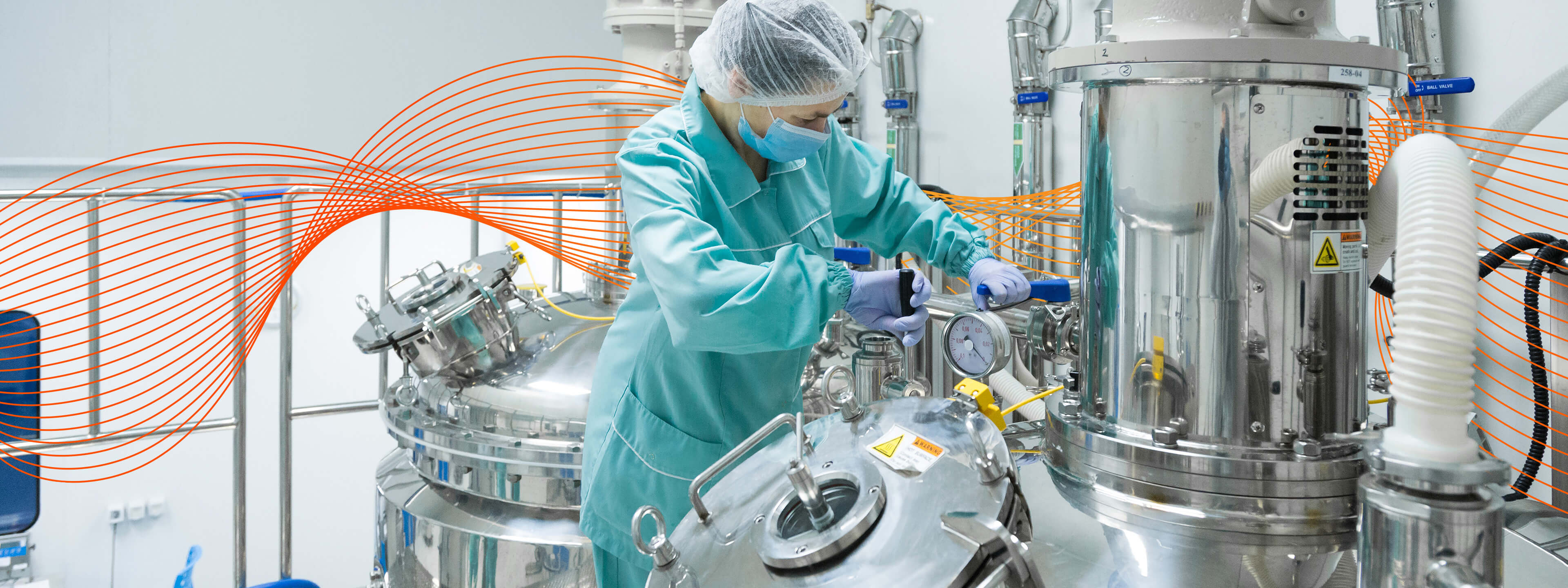
Automation and Innovation: Refining Biopharmaceutical Processes
The integration of advanced technologies has become a cornerstone of modern biopharmaceutical manufacturing. Automation, robotics, and artificial intelligence are not only making production more efficient but are also ensuring that quality standards are consistently met across the board.
Leveraging Robotics for Enhanced Efficiency
The rise of robotics in the biopharmaceutical sector represents a major shift towards increased efficiency and precision in manufacturing. Automation technologies, including electric linear transfer systems and collaborative robots (cobots), are enhancing sterile packaging processes, precise dosing, and automated assemblies.
Robotics integration reduces the necessity for human intervention, thereby minimizing contamination risks, crucial for the manufacture of sensitive biologics such as vaccines and monoclonal antibodies. For instance, companies like Novartis are employing AI-driven analytics within their production lines, allowing real-time monitoring and adjustments, leading to faster, more reliable production processes with reduced waste and errors.
These advancements not only streamline operations but also support the production of personalized medicine products by offering comprehensive traceability and safety assurance. Combined with robotic process automation (RPA), these systems free skilled personnel to engage in higher-value activities, further boosting production efficiency and regulatory compliance.
The Impact of Artificial Intelligence
AI and machine learning are redefining quality control standards in biopharma production. By employing AI algorithms for predictive analytics, manufacturers can forecast potential issues, allowing proactive action to be taken to maintain product consistency. This proactive approach minimizes unnecessary deviations, waste, and downtime.
In addition, AI-powered visual inspection systems utilize advanced cameras and image recognition technology to detect product defects and inconsistencies that might escape human inspectors. These systems not only enhance overall quality but do so by performing continuous, real-time monitoring. This technological advancement thus ensures each batch meets consistent and rigorous quality standards.
Moreover, machine learning offers insights into optimizing manufacturing process parameters, such as temperature and mixing speed, leading to improved efficiency and product yields. Collectively, these AI-powered methods are revolutionizing how biopharma operations maintain high standards of quality and safety.
Sustainable Practices: The Green Revolution in Biomanufacturing
Sustainability has become a focal point in biopharmaceutical manufacturing. The industry's efforts to minimize its environmental impact while maintaining drug efficacy and safety have given rise to innovative, eco-friendly practices and materials.
Adopting Eco-friendly Solvents
Traditional manufacturing methods frequently use solvents that are detrimental to both human health and the environment. As regulatory bodies push for safer alternatives, the use of green, pharmaceutical-grade solvents, which are high-purity and low-toxicity, has gained traction.
These eco-friendly options, often bio-based, originate from renewable resources and result in a lower environmental footprint. Furthermore, companies are investing in solvent recovery and recycling technologies to mitigate waste and dependence on virgin materials. Collaborations are crucial for promoting the adoption of such green technologies, facilitating the transition towards more sustainable manufacturing processes.
The Use of Sustainable Materials
Biopharmaceutical manufacturers are increasingly using sustainable materials within their production processes. This includes shifting to bio-based polymers and refined single-use systems. Though traditionally linked with plastic waste, these systems are being redesigned to align with sustainable practices, reducing waste and facilitating recycling or efficient disposal.
With growing consumer demand for environmentally responsible products, the move towards sustainable bioprocessing materials is expected to continue, contributing not only to a cleaner manufacturing process but also supporting long-term industry sustainability goals.
Emerging Trends: From Molecules to Market
Navigating the intricate path from molecular discovery to market-ready pharmaceutical product involves adapting to progressive manufacturing technologies and regulatory frameworks.
Continuous Manufacturing Advancements
Continuous manufacturing diverges from traditional batch methods, offering unparalleled efficiency, quality, and cost advantages. Continuous processes allow for constant raw material input and product output, reducing error risks and ensuring product consistency. By enabling real-time monitoring and control, these processes maintain quality while boosting operational efficiency.
Despite the initial investment in technology and process optimization required, the long-term gains of continuous manufacturing justify its adoption, promising enhanced productivity and consistent quality.
Embracing Digital Solutions
Automation and digital solutions are transforming biomanufacturing operations. The incorporation of digital tools such as cloud computing and IoT facilitates extensive data analytics, enabling manufacturers to optimize processes, foresee issues, and streamline decision-making processes.
Incorporating automation, including robotics, reduces human error and labor costs while enabling faster response to market and regulatory changes. The digital evolution in manufacturing supports flexibility and adaptability, critical in meeting dynamic industry demands.
The Future Outlook: Manufacturing's Mastery in the Biopharma Industry
The ongoing transformation in biopharmaceutical manufacturing is indicative of a future marked by innovation and mastery over complex production processes. The successful blending of modern technologies with manufacturing ingenuity will define the future landscape of biopharma, driven by breakthroughs in therapies and enhanced patient outcomes.
Advanced Therapies and Manufacturing Evolution
Manufacturing advanced therapies such as cell and gene therapies presents both opportunities and challenges. These innovative solutions hold the potential to cure previously untreatable conditions, necessitating specialized manufacturing approaches and rigorous quality control procedures.
Developing automated and closed systems for these therapies is vital to ensure product quality and consistency while minimizing contamination risks. A collaborative approach between researchers, manufacturers, and regulatory agencies will be fundamental in overcoming challenges and advancing these promising treatments.
Reinforcing Supply Chain Stability
The lessons from recent global disruptions have emphasized the importance of resilient supply chains in biopharma. Manufacturers are bolstering supply chain diversity and redundancy to prevent drug shortages and ensure treatment availability.
Technological investments aiming at enhancing supply chain visibility and responsiveness are underway, ensuring patient access to vital medicines remains uninterrupted. A robust supply chain infrastructure is critical in maintaining the flow of life-saving therapies from producers to patients globally.
By strategically navigating these advancements, the biopharmaceutical industry will be better equipped to meet the complex demands of future healthcare needs, solidifying its role as a pivotal player in the global therapeutics arena.
Q&A
-
What is the role of manufacturing in the biopharma business?
Manufacturing in the biopharma business is crucial as it involves the production of biological and pharmaceutical products that are essential for healthcare. This includes the development of new drug formulations, scaling up production processes, and ensuring compliance with regulatory standards. Efficient manufacturing processes can lead to cost savings, improved product quality, and faster time-to-market for new therapies.
-
How do biopharma companies ensure quality in their manufacturing processes?
Biopharma companies ensure quality in manufacturing by implementing Good Manufacturing Practices (GMP), which are guidelines that provide the minimum requirements a manufacturer must meet to ensure their products are consistently high in quality. This involves rigorous testing and validation processes, continuous monitoring of production environments, and comprehensive training for all personnel involved in the manufacturing process.
-
What scientific advancements are impacting manufacturing in the biopharma industry?
Recent scientific advancements impacting biopharma manufacturing include the use of biotechnology for producing complex molecules, advancements in cell culture technologies, and the integration of artificial intelligence for process optimization. These innovations enable more efficient production methods, reduce costs, and allow for the development of personalized medicine tailored to individual patient needs.
-
How does manufacturing impact biopharma stocks?
Manufacturing capabilities can significantly impact biopharma stocks. Companies with advanced and efficient manufacturing processes are often viewed more favorably by investors due to their ability to produce high-quality products at scale, meet regulatory requirements, and rapidly respond to market demands. Disruptions or inefficiencies in manufacturing, however, can lead to stock volatility and loss of investor confidence.
-
What services are typically included in biopharma manufacturing?
Biopharma manufacturing services typically include process development, formulation, analytical testing, and packaging. Additionally, contract manufacturing organizations (CMOs) may offer specialized services such as cell line development, bioprocessing, and supply chain management. These services are designed to support biopharma companies in bringing their products from the lab to the market efficiently and compliantly.
References:
- https://www.marketgrowthreports.com/market-reports/bi-specific-antibodies-therapy-market-116923
- https://www.pda.org/pda-letter-portal/home/full-article/accelerating-progress-how-pda-drives-ai-innovation-in-healthcare
- https://www.cloudbyz.com/resources/clinical-operations/beyond-the-pill-the-rise-of-biologics-and-the-evolution-of-pharmaceutical-therapies/