
Balancing Service and Safety: The Flight Attendant's Path to Career Longevity
Soaring through endless skies encapsulates more than delivering hospitality; it involves mastering resilience amid diverse and dynamic challenges. On the ground or at high altitudes, those who choose this path must exhibit an intricate blend of adaptability, dedication, and continuous learning to ensure a harmonious journey.
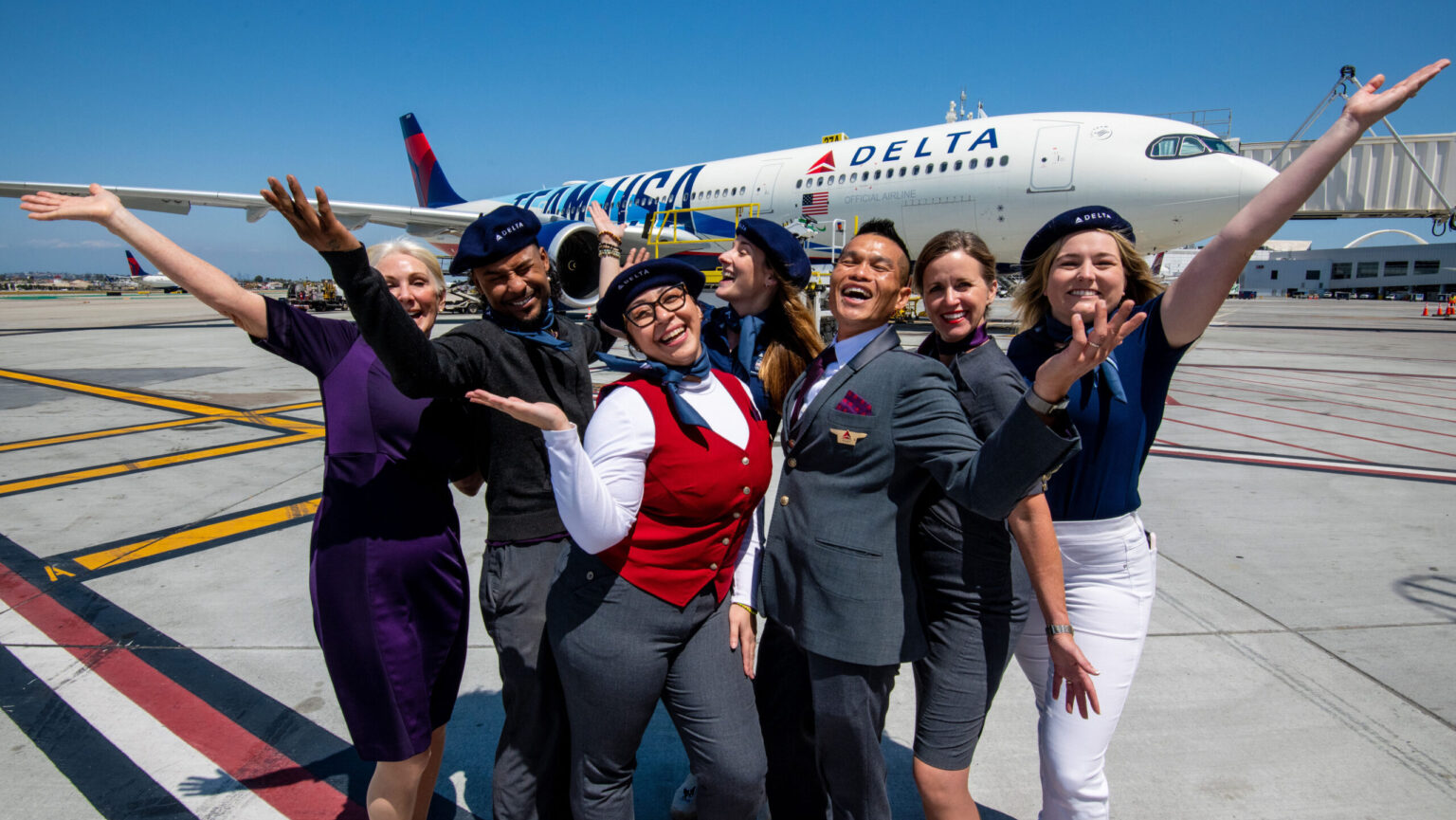
Safety First: The Unseen Pillar Behind Every Flight
Flight attendants are at the heart of ensuring safe and secure air travel. While they are often seen as the face of hospitality, their most important role is safeguarding the welfare of all on board. Their commitment to safety encompasses a range of responsibilities that are both visible and behind the scenes.
The Foundation of Aviation Safety
Aviation safety involves stringent frameworks designed to protect passengers and crew. Flight attendants play an integral role in executing these protocols. They conduct pre-flight safety checks, ensure equipment is operational, and are prepared to handle various in-flight emergencies. Their knowledge spans everything from evacuation procedures to life-saving first aid, embedding safety into every aspect of their role.
International aviation organizations set high safety standards that include extensive training and rigorous procedures. These standards necessitate continuous learning and up-to-date knowledge of regulations, empowering flight attendants to respond effectively during emergencies. Backed by technological advancements, they also use safety management systems that enhance oversight, maintaining aviation's impressive safety record.
Continuous Improvement and Adaptation
The aviation sector is perpetually evolving, requiring flight attendants to remain adaptive. Whether it's new security measures or updated emergency protocols, ongoing training ensures they are always prepared. This adaptability is not just a professional requirement but a critical skill that equips them to manage the unforeseen dynamics of in-flight operations.
Flight attendants embrace changes in technology and practice to maintain efficiency and safety. This involves participating in regular drills and refresher courses that keep their skills sharp. Emphasizing safety is paramount, as it influences every part of their responsibilities from routine operations to crisis management.
Balancing Service and Safety: The Flight Attendant's Path to Career Longevity
Carving out a lasting career in aviation requires more than technical skills; it requires a balance of service and personal well-being. Flight attendants are multifaceted professionals, juggling customer care with crucial safety duties while nurturing their own health and career longevity.
The Demands of the Job
The life of a flight attendant is demanding, with challenges that test physical stamina and emotional resilience. Irregular schedules, long hours, and frequent time zone changes can impact personal wellness, requiring flight attendants to manage their lifestyle proactively. Constant travel disrupts sleep and routines, and dealing with diverse passenger needs adds an emotional dimension to their workload.
To counter these challenges, airlines focus on creating supportive environments that promote well-being. Offering resources for physical and mental health, such as fitness facilities and counseling services, airlines encourage their crew to maintain personal balance.
Prioritizing Mental Health
Stress management is critical for flight attendants, given their high-pressure work environment. Encountering anxious passengers, dealing with flight delays, and ensuring consistent service can take a toll. Consequently, prioritizing mental health isn't just beneficial; it's necessary for job performance and satisfaction.
Airlines actively support mental health by providing access to professionals and promoting awareness initiatives. Practices like mindfulness and resilience training are incorporated into their ongoing training programs, enhancing their ability to cope with stress. This holistic approach helps flight attendants maintain their effectiveness and job satisfaction.
Effective Self-Care Strategies
Self-care is vital for the longevity and success of a flight attendant’s career. Strategies include setting personal and professional boundaries, ensuring adequate rest, and engaging in activities that promote relaxation. Whether it's a workout, a family gathering, or a simple hobby, such practices are crucial.
Moreover, building a support network among peers reinforces their resilience. Sharing experiences and providing mutual support can help navigate the challenges of the job. A team-oriented environment nurtures a positive workplace culture, essential for overcoming the day-to-day demands.
The Importance of Workplace Support
Supportive professional environments contribute significantly to employee well-being. Airlines that cultivate open communication and a collaborative culture help flight attendants thrive. Recognizing the contributions of their crew, airlines encourage a sense of community and teamwork, facilitating a seamless operation and a positive atmosphere.
Effective teamwork is rooted in shared safety values where consistent dialogue between flight attendants, pilots, and ground staff plays a critical role. This collaboration strengthens operational efficiency, enhances the passenger experience, and maintains the well-being of all staff members onboard and off.
From Recruitment to Retirement: Sustaining Careers in Aviation's Dynamic Environment
Sustaining a career in aviation involves strategic planning, fostering adaptability, and embracing lifelong learning. Flight attendants must navigate a career path that balances skill enhancement with personal growth, enabling them to reach their full potential within the dynamic aviation industry.
Laying the Groundwork: Continuous Learning and Adaptability
Continuous learning is the bedrock of a successful aviation career. Flight attendants regularly update their skills, staying informed about industry advances. This commitment to education supports career advancement and opens opportunities for specialized roles within airlines.
Adapting to industry shifts, be it through technology or regulation updates, necessitates a proactive attitude. Flight attendants often undergo courses that cover comprehensive skills from customer service to emergency response, ensuring they meet industry standards. This adaptability becomes an asset, making them more versatile and capable professionals.
The interconnection between resilience, versatility, lifelong learning, and work-life balance are crucial areas emphasized for career longevity.
Mentorship and Networking: Building a Strong Foundation
Mentorship and networking are key to career growth in aviation. Experienced colleagues provide guidance that enhances skills and understanding of industry nuances. Joining professional organizations facilitates networking, offering platforms to share insights and experiences crucial for personal and professional development.
As mentors, seasoned attendants not only support rookies but also solidify their own knowledge. This shared growth fosters a strong community ethos, promoting cooperation and collective career advancement.
Strategic Career Planning: Charting Your Course
Strategic career planning helps flight attendants map their professional journey from onboarding to retirement. Setting clear goals and pursuing them through certifications and promotions fortifies their path. Feedback from peers and superiors aids in refining these strategies, ensuring constant growth and career satisfaction.
Staying informed about industry trends and opportunities allows flight attendants to make informed career choices. Whether aspiring towards management or specialization, a well-charted plan helps navigate the trails and landmarks of an enriching career in aviation.
In conclusion, the journey of a flight attendant extends beyond their everyday roles. It's a career marked by lifelong learning, adaptability, service, and safety. With strategic planning and personal resilience, these professionals not only contribute significantly to the aviation industry but also build enduring, fulfilling careers in the skies.
Q&A
-
What are the essential skills required for a flight attendant career?
A flight attendant career requires a combination of interpersonal skills, problem-solving abilities, and physical stamina. Key skills include strong communication and customer service skills, adaptability to changing situations, proficiency in multiple languages, and the ability to remain calm under pressure. Flight attendants must also possess basic medical knowledge to handle in-flight emergencies and be physically capable of performing safety procedures.
-
How does the airline recruitment process work for aspiring cabin crew members?
The airline recruitment process for cabin crew typically involves several stages. Initially, candidates submit an online application and resume. This is followed by an assessment day, which may include group exercises, interviews, and role-playing scenarios. Successful candidates then undergo background checks and medical examinations. The final stage often includes a training program where recruits learn about safety protocols, customer service, and in-flight operations.
-
What are the training requirements for cabin crew members?
Cabin crew training requirements vary by airline but generally include a comprehensive program that covers safety and emergency procedures, first aid, customer service excellence, and specific aircraft equipment handling. Trainees also learn about cultural sensitivity and conflict resolution. The training is typically intensive, lasting several weeks, and concludes with both practical and theoretical exams to ensure proficiency.
-
How can flight attendants maintain a healthy work-life balance in aviation?
Maintaining a work-life balance in aviation involves careful planning and prioritization. Flight attendants can manage their schedules by bidding for routes that align with their personal commitments, taking advantage of rest periods, and utilizing airline support resources. Staying connected with family and friends through technology, maintaining a healthy lifestyle, and setting aside time for relaxation and hobbies are also crucial for balancing the demands of the job with personal life.
-
Why are emergency response skills critical for flight attendants, and how are they developed?
Emergency response skills are crucial for flight attendants as they ensure passenger safety during unforeseen situations such as medical emergencies, evacuations, or security threats. These skills are developed through rigorous training that includes simulations of emergency scenarios, first aid certification, and regular refresher courses. Continuous practice and assessment help flight attendants stay prepared to handle emergencies efficiently and effectively.